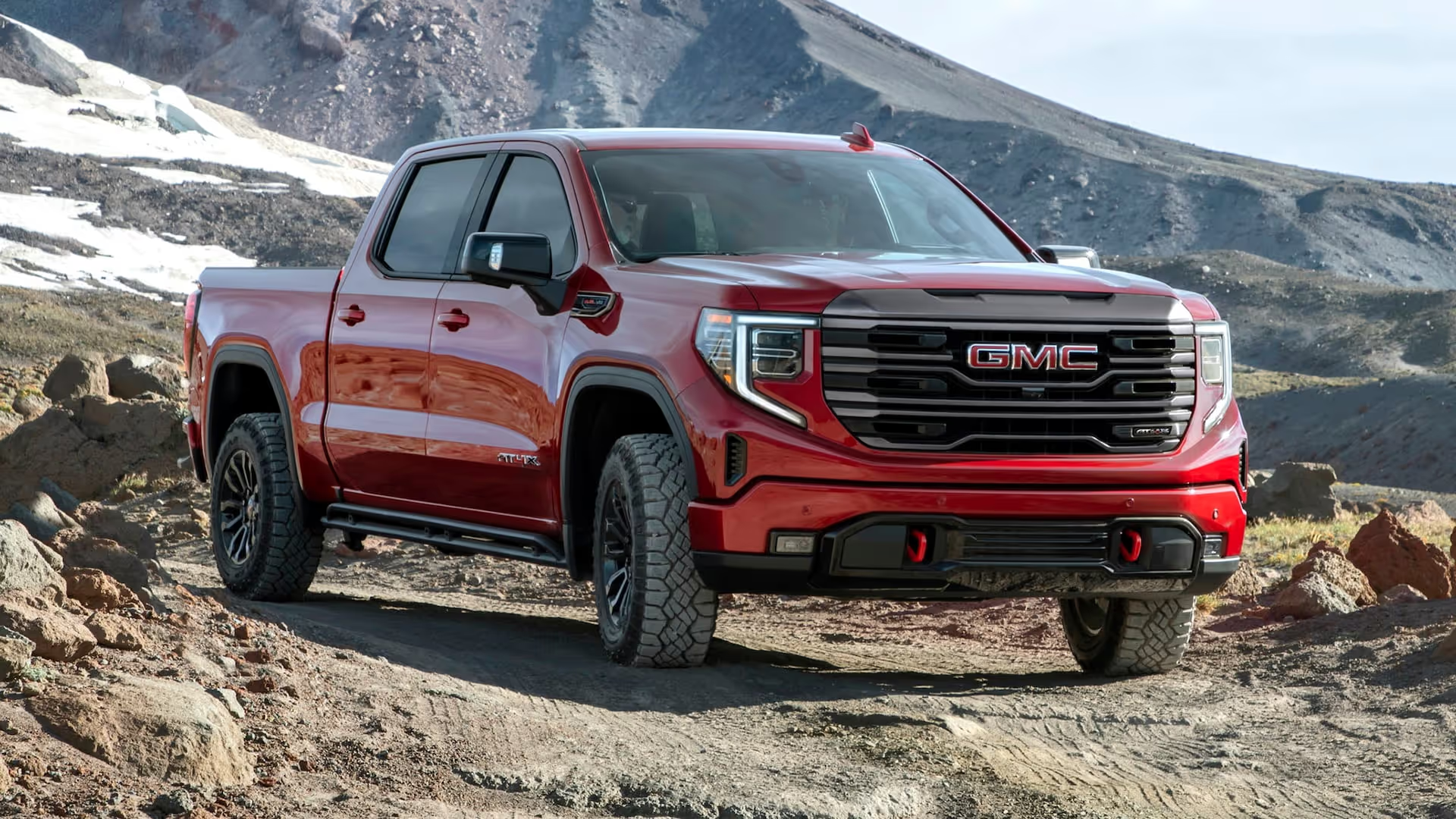
A Sierra is not one truck. It is a matrix — three cab styles, several bed lengths, a shelf of engines, and trim levels from vinyl-seat work truck to leather-wrapped luxury — and every cell of that matrix has its own market, its own inventory pile, and its own discount behavior. That is why a good deal on GMC Sierra trucks is less about haggling skill than about choosing the right cell. Pick the configuration the market overproduced, and dealers compete to hand you savings. Pick the scarce one everyone wants, and you will pay for the privilege no matter how tough you talk.
Cab and bed first: the combination is the price
Crew cab with the short bed is the volume seller — family-friendly, easy to park, and built by the tens of thousands, which means it is both the easiest to find discounted new and the easiest to resell later. Double cabs and long beds serve narrower audiences; they can sit on lots longer, which occasionally makes them the sleeper bargains of the lineup, provided the configuration genuinely fits your life. GMC’s own truck lineup page is the place to map the current combinations before visiting a lot, because salespeople naturally steer shoppers toward the configurations they have, not the ones that fit. Decide your cab and bed from your passengers and your cargo, in that order, and treat every other combination as a different product with a different price logic.
Engine second: buy torque for your actual trailer
The Sierra’s engine shelf runs from an efficient turbo four through the traditional V8s to a diesel built for towing economy. The honest exercise is arithmetic, not appetite: weigh your trailer, add passengers and gear, and buy the engine rated comfortably above that total — not the biggest engine on the lot. Overshooting costs money three times: at purchase, at the pump, and in higher insurance and maintenance. Undershooting is worse, because a truck that strains is a truck you will replace early. Note, too, that engine choice steers resale: the V8s have the broadest used-market following, while the diesel has a smaller but devoted one that pays for well-kept examples.
Safety is not automatic in a big truck
Buyers assume size equals safety, and the test data is more complicated. The Insurance Institute for Highway Safety’s Sierra 1500 ratings walk through crash results and headlight performance for the crew cab, and large pickups as a class have historically mixed strong occupant protection with mediocre headlights on lower trims. If you drive rural roads at night — as many truck owners do — the headlight grade of the exact trim you are buying is not a footnote; it is a reason to step up a trim or walk to another truck. Check the rating for your configuration, not the model’s best-case headline.
Use the family feud
The Sierra’s closest relative wears a Chevrolet bowtie and shares its bones, which makes the Chevy Silverado the single best negotiating instrument a Sierra shopper owns. Get a real out-the-door quote on the equivalent Silverado and let the GMC dealer respond to it; the mechanical kinship makes the comparison impossible to wave away. The same applies across the aisle: our guide to deals on Ford F-150 and Ram trucks shows how deep full-size inventory runs and how aggressively the segment discounts at model-year changeover. Full-size trucks are among the most negotiable vehicles in America precisely because three manufacturers build them by the hundreds of thousands.
Used Sierras: configuration logic still rules
In the used market the matrix matters just as much. Work-trim trucks lived hard lives; luxury trims lived pampered ones but carry expensive options that age into repair bills. The middle trims in crew-cab form are the liquid, fairly priced core of the market. Apply the inspection discipline from our guide to finding used cars for just a few thousand dollars — history report, frame and underbody look for rust and off-road abuse, cold start, and a check that every electronic option actually works, because on an upper-trim Sierra those systems are the expensive failures.
The underbody look deserves emphasis on this truck specifically. Sierras earn their keep in salt country, on job sites, and behind trailers, and the frame tells the truth that a detailed cab conceals: surface rust is honest wear, but scale, flaking, and patched sections forecast structural money. Check the bed floor for the dents and gouges of a working life, run a hand along the frame rails, and look at the hitch receiver — a worn, elongated pin hole marks a truck that towed heavy and often, which is not disqualifying but must be priced as the harder life it signals. A fifteen-minute flashlight session under a used Sierra has saved more buyers from bad deals than any negotiation trick ever invented.
Then run the total loan cost through the CFPB’s auto loan tools before signing; on a five-figure truck, the financing choice can outweigh the entire negotiated discount.
The bottom line on GMC Sierra trucks
Choose the cab and bed from your life, the engine from your trailer’s real weight, verify the safety record of the exact trim, and negotiate with a Silverado quote in your pocket. A good deal on GMC Sierra trucks is built on configuration homework — the discount is just the receipt.