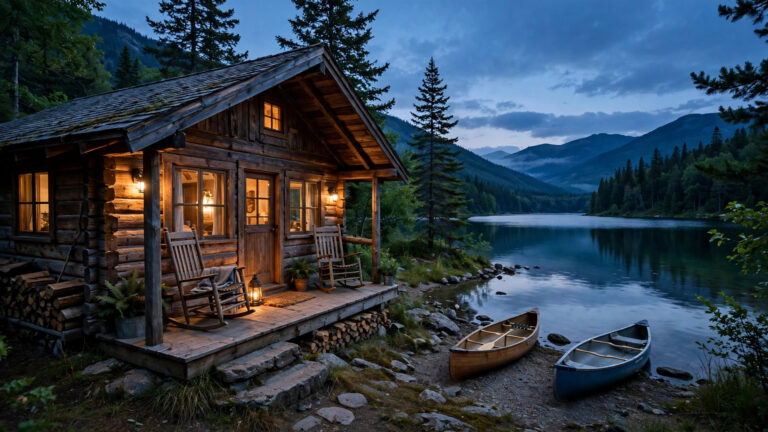
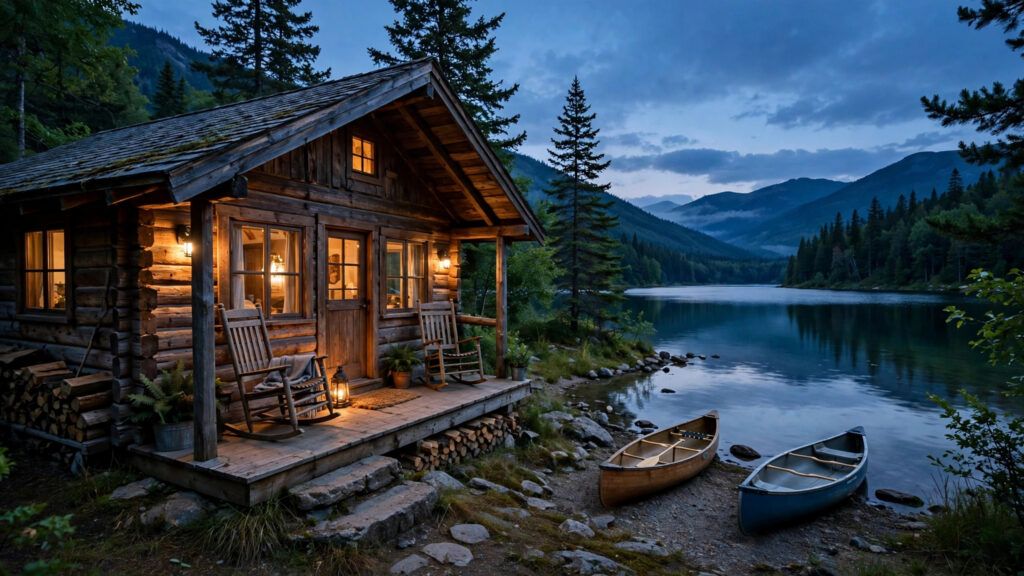
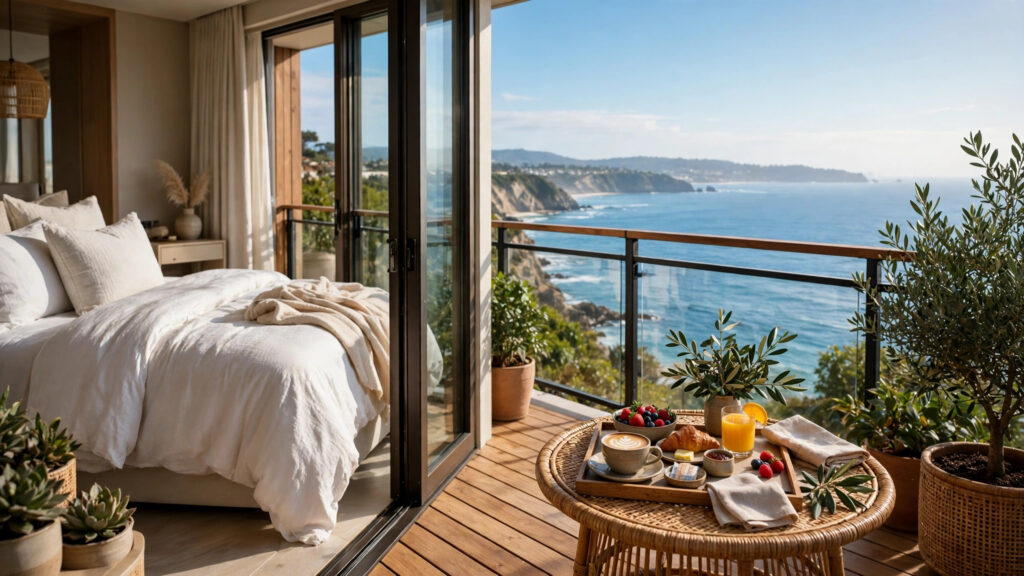
There is a particular kind of trip that starts with a lodge, not a destination. You picture a porch at dusk, a trailhead a short walk away, and a day that begins without a drive. National park lodges offer exactly that, and it is why the good ones fill up so early.
Booking a park lodge is not like booking a regular hotel. Availability is limited, seasons are short, and the best rooms are often claimed months in advance. But the process rewards planners who know what they are looking for and when to start.
Why lodges inside the park are different
Staying inside a park changes the rhythm of the trip. You wake up already there. The crowds that arrive by car in the morning are something you watch from the porch, not something you join. Evening light, early-morning wildlife, and quiet trails before the day visitors arrive all become part of the experience rather than things you chase.
That closeness comes with trade-offs. In-park lodges are often older buildings with simpler rooms, fewer amenities, and dining options that close early. If you expect a full-service resort, you may be disappointed. If you expect a comfortable base in a spectacular place, you will be delighted.
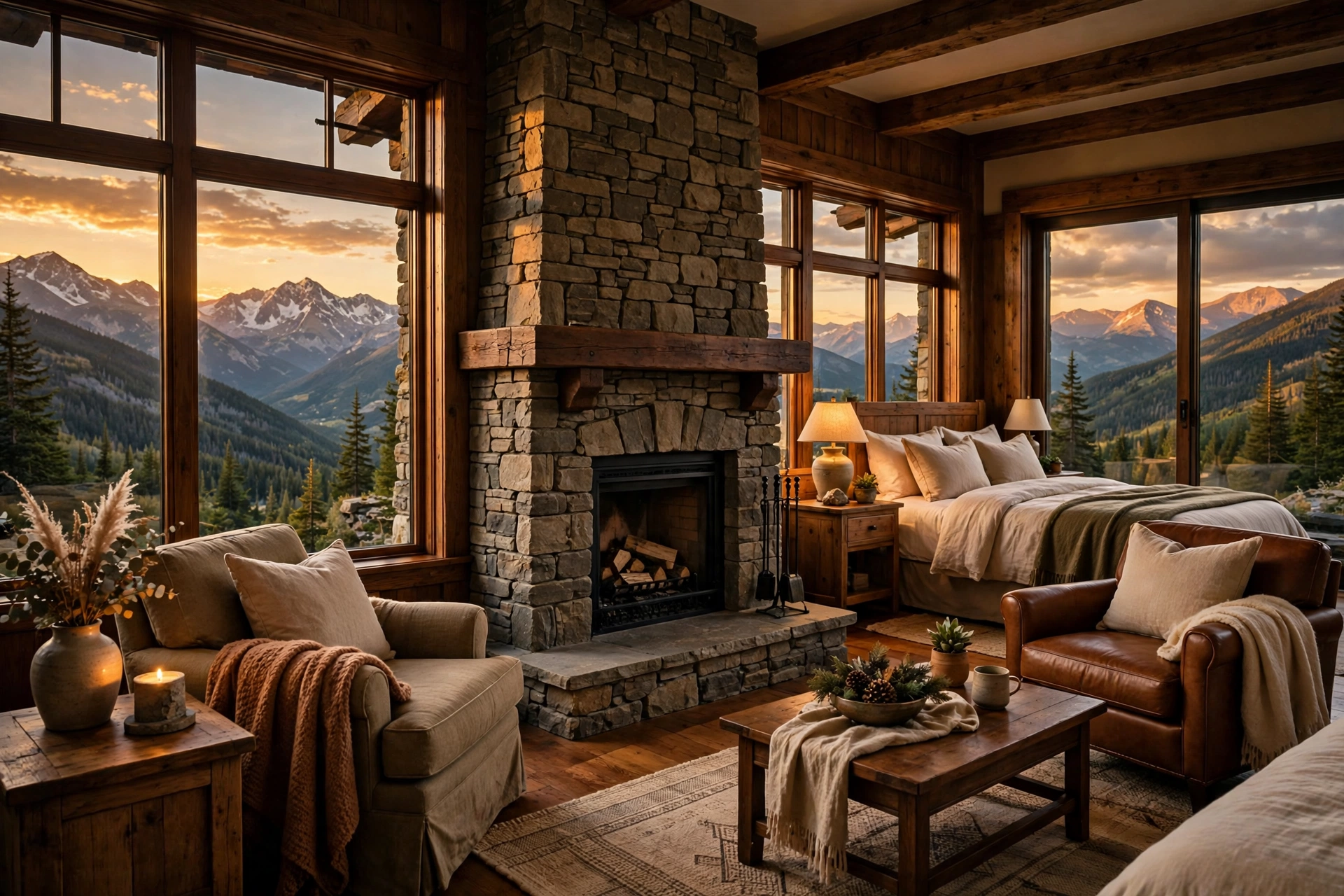
The right mindset matters: you are booking location and atmosphere first, and luxury a distant second. For most park travelers, that is exactly the right priority.
Know the booking windows before you need them
The most common mistake in park lodging is starting too late. Popular lodges open their reservations on a schedule, and the prime dates — summer weekends, holiday periods, fall color season — go quickly once that window opens.
Before you set your heart on a date, find out how far in advance reservations open for the lodge you want, and whether there are release dates for different seasons. Some lodges release a full season at once; others stagger by month. Mark the opening date, and be ready to book the day it opens if your dates are fixed.
If your dates are flexible, your odds improve dramatically. Midweek stays, shoulder-season weeks, and less famous parks often have openings long after the headline dates are gone. Flexibility is the single most powerful tool a park planner has.
Choose the lodge that fits your trip style
Not all park lodges are the same, and the differences matter. Some are historic lodges with grand common rooms and a dining hall at the center. Others are clusters of cabins, better for families or groups who want privacy and space. Still others are simple motel-style rooms, best for hikers who only need a bed and a shower.
Think about how you will actually spend your time. If you plan long days on the trail, a simple room near a trailhead beats a grand lodge far from the hikes you want. If you are traveling with kids or older relatives, a lodge with a restaurant, a porch, and easy walks nearby will make the trip smoother.
Also consider how many nights you need. One night inside a park gives you a single golden morning. Two or three nights let you settle in, explore different areas, and build in a weather day. A park trip built around a single night often feels rushed; a trip with a little slack feels like a vacation.
When you are comparing options across parks and dates, seeing real availability and full stay totals in one search makes the decision much easier.
Plan around the lodge, not the other way around
Once you have a lodge, let it shape the rest of the plan. Which entrance is closest? Which trails start nearby? Where do you eat if the dining room is full or closed? What do you do on a rainy afternoon?
This is where a little research pays off. Park maps, ranger programs, and seasonal road conditions all affect what is realistic from a given base. A lodge on one side of a large park may be an hour or more from the sights on the other side, so clustering your hikes and viewpoints near your base saves driving and frustration.
It also helps to have a backup plan for meals. In-park dining can be limited, and a small cooler with breakfast supplies and snacks turns a missed reservation into a non-event. Pack for self-sufficiency, even if you expect to eat at the lodge.
Seasonal changes deserve a check as well. Roads, trails, and facilities inside a park can open and close with the seasons, and a lodge that is perfect in summer may sit in a very different situation in early spring or late fall. A quick check of current conditions before you finalize dates keeps the trip matched to what is actually open and reachable.
Compare the full stay before you commit
Park lodging prices vary widely by season, room type, and park, and the headline rate rarely tells the whole story. Check what is included: parking, meals, activities, and taxes can all shift the total.
The bottom line
National park lodges reward the planner: learn the booking window, pick the lodge style that fits your trip, give yourself enough nights, and plan around your base. The reward is a trip that starts each morning already inside the place you came to see.
If you want help sorting lodge options, timing a booking window, and building a park itinerary around the right base, Hilltop Travel Co. plans trips like this every day and can take the guesswork out of the hardest part — getting the room in the first place.