Every search for used cars at a few thousand dollars is a bet, and the bet is never really about the paint, the mileage brag in the ad, or how clean the interior photographs. It is about four or five expensive systems that either have life left in them or do not. Shoppers who learn to read those systems — transmission, cooling, structure, title — buy cheap cars that stay cheap. Shoppers who fall for a shiny hood buy cheap cars that become the most expensive transportation they ever owned. This guide works the problem in the order a mechanic would: failure points first, shopping second.
Used cars fail in predictable places — check those first
Start under the hood after a cold start, not after the seller has warmed the car up for you. A transmission that hesitates, flares between gears, or shudders at steady speed is negotiating its exit, and transmission work can exceed the entire purchase price of a budget car. Watch the temperature gauge on a fifteen-minute drive that includes a hill and some idling: a cooling system that creeps upward is telling you about head gaskets and radiators, not about weather. Get underneath with a flashlight and look at the frame rails and floor pans. Surface rust on suspension parts is cosmetic; flaking, holed structural rust is a verdict, and no price is low enough to argue with it. Finally, run every electrical accessory — windows, locks, air conditioning, lights — because a bundle of small electrical faults often shares one expensive cause.
The test drive that actually tells you something
A loop around the block is a courtesy, not an inspection. Ask for twenty minutes and a route that mixes stop-and-go streets, a highway merge, and a rough patch of pavement. Turn the radio off. Listen for wheel-bearing hum that changes when you steer, for clunks over bumps that point at worn suspension, and for brake pulsation through the pedal. Let the car sit idling in the seller’s driveway while you talk; overheating and oil smoke both prefer an audience of one idle engine. If the seller resists a real drive or a pre-purchase inspection at your mechanic, the negotiation is over — walk away politely and keep your money. At this price level there is always another car, and the inspection fee you spend twice is still cheaper than one failed transmission.
Where the honest cheap cars hide
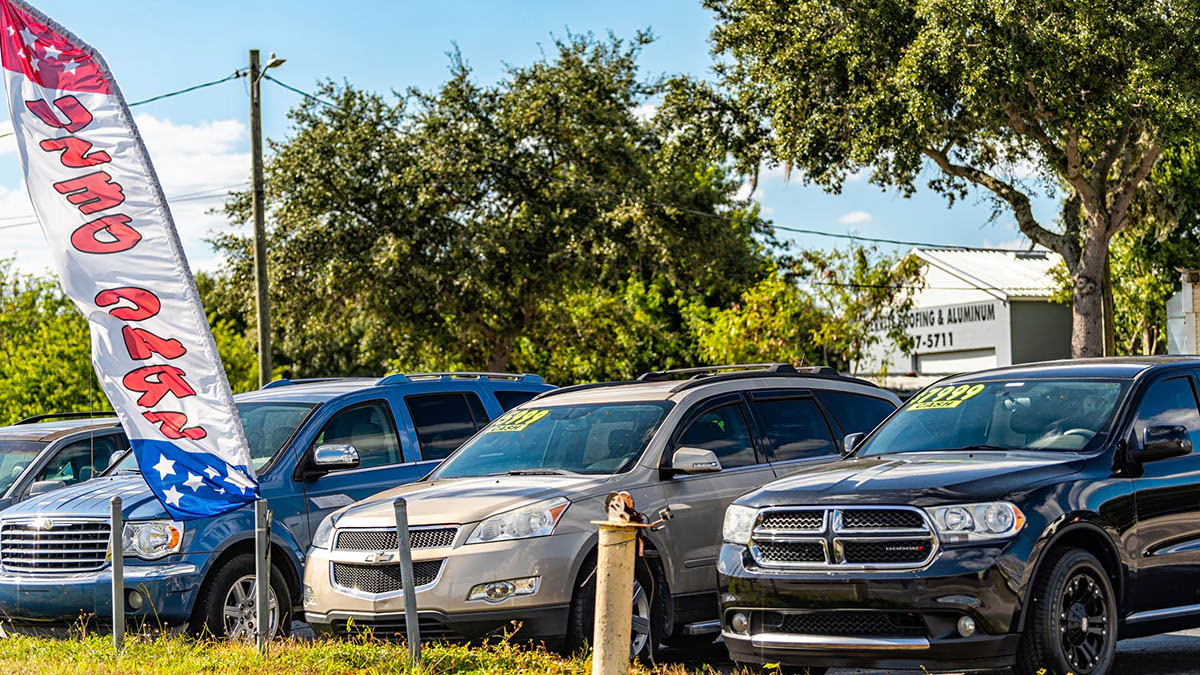
Dealerships struggle to make money under a few thousand dollars, so the good inventory lives elsewhere. Private sellers who are moving, settling an estate, or leaving a two-car household price cars to be gone, not to be perfect. Credit-union and municipal auctions move repossessed and fleet vehicles with paperwork in order. Donated vehicles are another underused lane — our guide to how Goodwill cars are sold explains where donated cars end up and who can buy them. Retired fleet cars deserve a look too: a plain sedan with high highway miles and a documented service history is frequently a better bet than a low-mileage car with no records at all, because fleets maintain on schedule whether or not the driver cares. Wherever you shop, the listing matters less than the seller’s story and the paper trail behind it.
Paperwork is half the car
Before money moves, match the vehicle identification number on the title to the plate on the dashboard and the sticker on the driver’s door. A title in someone else’s name — a practice called title jumping — can make registration a fight. Ask directly whether the title is clean, rebuilt, or salvage, and treat a rebuilt title as a reason to demand a steep discount and a professional inspection, or to walk. Check for liens: a car with an unpaid loan attached can become the lender’s car again. Recall status is free to check and worth the minute — the Insurance Institute for Highway Safety’s ratings portal covers crashworthiness by model and year, and unresolved recalls on safety systems should be fixed on the seller’s time, not discovered on yours. A seller who produces records, a clean title in their own name, and a consistent story has done half your inspection for you.
Cheap to buy can still be expensive to run
Two cars at the same price can part ways quickly on running costs. Fuel economy differences that look academic on a window sticker compound over years of commuting, and the Department of Energy’s FuelEconomy.gov lets you compare model years side by side before you fall in love. Parts availability matters just as much: a common sedan shares components with millions of siblings, so parts are cheap and every mechanic knows it, while an orphan model with a one-year engine can strand you waiting on a shipment. Insurance quotes are free — get one before purchase, because a sporty badge on an old car can carry a young car’s premium. Add taxes, registration, and the first maintenance round (fluids, belts, tires if needed) to your true budget, and hold a reserve for the repair that no inspection catches. The buyers who stay happy with cheap cars are the ones who budgeted for the car after the purchase, not just the purchase.
When financing enters, slow everything down
Cash is king at this price, but if you finance, the loan can cost more than the car saves. The Consumer Financial Protection Bureau’s auto loan guidance walks through shopping for a loan before shopping for a car, comparing total cost rather than monthly payment, and understanding what a lender can and cannot require. At minimum: get a quote from your own bank or credit union first, read the total of payments rather than the monthly number, and be wary of add-on products folded into small loans, where they quietly eat the discount you negotiated. And keep the alternative in view — sometimes the smarter move is spending a little more on a newer vehicle with a stronger record, the way shoppers weigh a budget sedan against a well-kept truck like the ones in our Chevy Silverado features and deals guide or a negotiated find from our GMC Sierra deals walkthrough. Cheap is a strategy, not a price tag — inspect the failure points, verify the paper, count the running costs, and the few thousand dollars you spend will behave like a much larger sum.