There is a short window every year when the trees put on their best show, and the only way to catch it properly is by car. A fall foliage road trip is not about a single viewpoint. It is about the drive itself: winding roads, small towns, farm stands, and the slow realization that the landscape is changing color around you.
Timing is everything, and it moves
Peak color does not arrive on the same date everywhere. It moves south and downhill as the season goes on, and it varies year to year with temperature and rainfall. The best strategy is to plan a window, not a day: pick a region, watch local foliage reports in the weeks before you leave, and be ready to shift your route a day or two in either direction.
If you can only travel on fixed dates, choose a route with elevation range. A drive that climbs from valleys to ridges gives you multiple stages of color in a single day, so even if the timing is slightly off, some part of the route will be at its best.
Choose a route, not just a destination
The classic mistake is driving straight to one famous overlook, fighting for parking, and driving home. A foliage trip works better as a loop: a scenic byway with several stops, a small town for lunch, and a second route back that shows you different terrain.
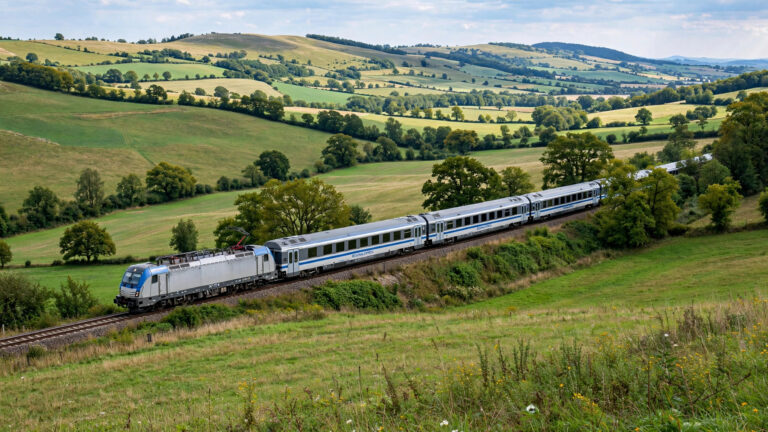
Look for routes with variety — hardwood forests, river valleys, farmland, and ridgelines — because mixed landscapes color at different rates and give you more chances at a great view. And build in unplanned stops. The best foliage moments are usually the ones you did not plan: a farm stand, a covered bridge, a side road that glows in the afternoon light.
Drive slow and stop often
Foliage is best seen at low speed, with the windows down when the weather allows. Plan for a pace of roughly half what a highway trip would cover. If the route is a hundred miles, give it the whole day, not the morning.
Stop at overlooks, but also stop in towns. Small-town diners, general stores, and farmers markets are part of the experience, and they are also where you will hear from locals which roads are peaking right now. Local knowledge beats any app when the color is changing daily.
When you are ready to lock in an overnight stop along the route, you can Book Now through our hotel search and compare places near the towns you plan to visit.
What to pack for a leaf-peeping drive
Fall weather changes fast, especially in the mountains. Pack layers, a warm jacket, and comfortable walking shoes, because the best views often require a short walk from the car. Bring water and snacks for stretches between towns, and a paper map or downloaded offline maps — cell service fades on rural roads exactly when you need directions most.
A camera is worth bringing, but so is patience. The light matters more than the lens: early morning and late afternoon turn ordinary trees golden, while midday sun flattens the color. Plan your longest driving stretches for the middle of the day and your stops for the golden hours.
Make it a weekend, not a day trip
If you can, stretch the trip to two or three days. One day gives you a glimpse; a weekend gives you time to wait out a rainy morning, revisit a road in better light, and actually enjoy the towns instead of rushing through them.
Book lodging in a central town so you can drive different loops each day, and keep one day flexible. If the color peaks a day late, a flexible day is the difference between a good trip and a great one. For help shaping the route around your dates, Hilltop Travel Co. can help plan the details.
Photographing the color
Fall color photographs best when you respect the light. Harsh midday sun washes out reds and yellows, while overcast skies actually deepen them — a cloudy day can produce richer photos than a sunny one. Early morning fog in valleys adds atmosphere that no filter can fake, and backlit leaves glow when the sun sits low behind the trees.
You do not need professional gear. A phone camera, a steady hand, and a willingness to stop the car are enough. Frame the road disappearing into color, or a single brilliant tree against a dark hillside, rather than trying to capture an entire mountainside. And take some photos without any people or cars in them — they age better, and they remind you later of how quiet the drive felt.
Where to eat and stay along the way
Small towns along foliage routes often have one great diner, one bakery, and one inn that everyone local recommends. Ask at a gas station or farm stand where they eat, and you will usually get a better answer than any review site. Farm stands are worth a stop on their own: apples, cider, pumpkins, and baked goods taste better when you buy them from the person who grew or made them.
For lodging, small inns and bed-and-breakfasts beat chain hotels on foliage routes. They sit closer to the scenic roads, their hosts know the current color conditions, and breakfast conversations with other leaf-peepers often reveal a road you had not considered. Book early for peak weekends, since the best small places fill fast.
The bottom line
A great fall foliage road trip comes down to three things: a flexible window, a loop route with variety, and a slow pace with plenty of stops. Get those right and the trees do the rest. The color is fleeting, which is exactly why it is worth chasing.