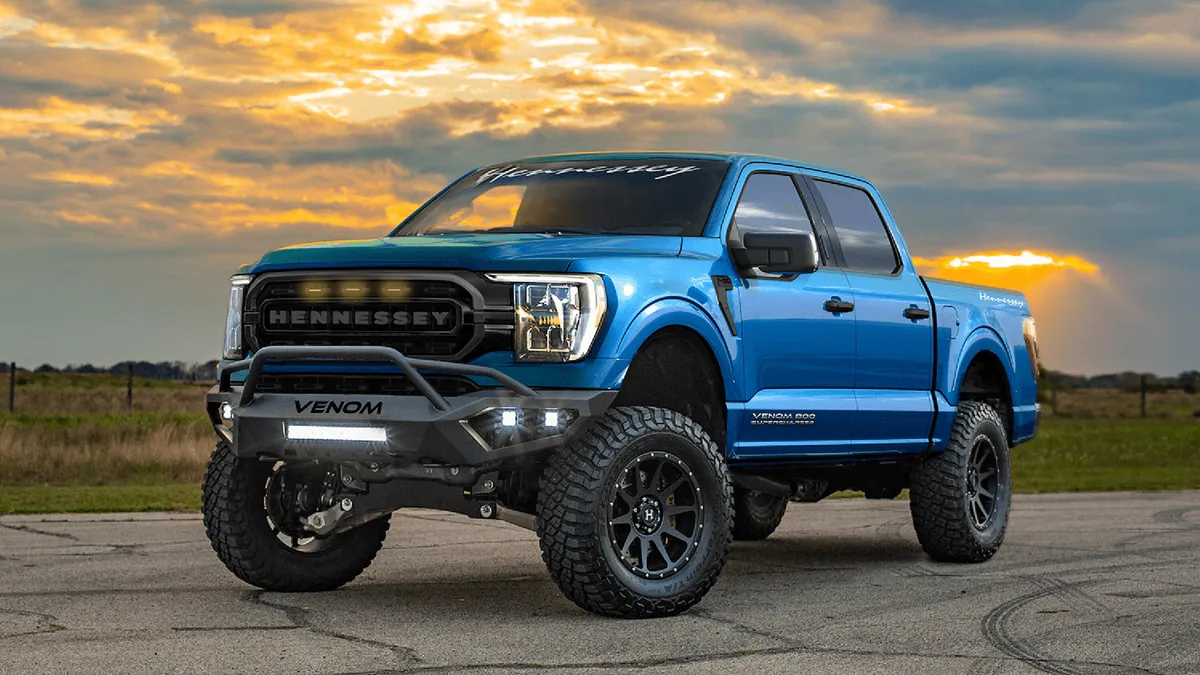
The Ford F-150’s feature list reads like a menu with no prices until you are already hungry. Trims stack on trims, engines overlap, and the “deal” in the advertisement turns out to be three separate offers wearing one trench coat. The truck’s long run as a bestseller means there is a version of it for nearly every job — and also that it is remarkably easy to buy the wrong one, or the right one on the wrong terms. The method that protects you has two halves: decide the truck by use, using published data rather than brochure adjectives, and then decode the deal as a financial document, because that is what it is.
The trim ladder is a budget ladder
Each step up the F-150 range bundles equipment — more comfort, more technology, more capability hardware — and the price difference between neighboring trims is where buyers quietly overspend. The disciplined question is not “which trim is best” but “which bundle contains the three features I will actually use weekly.” A buyer who tows needs the towing hardware and cooling; a buyer who commutes needs the cab comfort and driver-assistance features; a buyer who does both should price the bundle that covers both rather than the flagship that covers everything. Write your three features down before visiting a lot, and let the ladder serve the list instead of the other way around. Cross-shopping helps calibrate: our parallel look at Chevy Silverado features and deals shows how a rival organizes the same ladder, and the comparison makes both menus easier to read.
Engines are a use-case question, not a power contest
The engine lineup spans efficient everyday options, turbocharged workhorses, a traditional V8, and a hybrid — and the right answer follows your heaviest regular task, not your heaviest imaginable one. Buy for the trailer you tow monthly, not the one you might borrow someday. Fuel cost is the part of ownership you pay weekly, so check the official ratings for the exact configuration you are considering: FuelEconomy.gov’s F-150 listings break economy down by engine, drive, and cab, and the spread across configurations is wide enough to matter over years of ownership. If your driving is mostly short trips, the configuration that looks thriftiest on the highway chart may not be the one that wins in your real week — the site lets you personalize the estimate with your own mileage and fuel prices.
Safety data: read the receipts, not the adjectives
Every manufacturer calls its truck safe. The useful move is to read the independent crash-test record for the specific cab style you are buying, because results can differ between configurations. The Insurance Institute for Highway Safety publishes its F-150 crew cab ratings test by test, including the demanding front-overlap and side evaluations, and its large pickup class summary puts the whole segment on one page so you can see how the field compares instead of shopping in a vacuum. Pay attention to headlight ratings as well — large pickups vary noticeably there, and night visibility is a safety feature you use on every single drive.
How Ford F-150 deals are actually built
A headline price usually blends three different kinds of money: a factory rebate, a dealer discount, and financing terms — and the fine print often makes them alternatives rather than a stack. The classic fork is cash back versus a low promotional interest rate: taking the rebate may disqualify the special financing, so the cheaper path depends on your loan size and how long you will keep it. Run both versions of the arithmetic before you sit down. Watch also for offers conditioned on a trade-in, on financing through the manufacturer’s lender, or on taking a specific truck from stock. Our guide to the best deals on Ford F-150 and Ram trucks walks through the comparison-shopping side of this — getting competing written quotes and making dealers bid on the same configuration.
The cost stack after the sticker
The purchase price is the first cost, not the largest risk. Add fuel at your real mileage, tires sized for a full-size truck, insurance quoted on the exact trim — insurers price configurations differently — and the maintenance rhythm of a vehicle that works for a living. Resale value belongs in the stack too. A truck this common sells into a deep used market, and configurations with broad appeal — the popular cab, the mainstream engine, a documented service history — tend to find the next buyer fastest when your turn to sell arrives. That is one more argument for choosing the configuration the next owner will also want, rather than the oddball spec only you could love. Buyers who run that stack honestly sometimes discover the used market serves them better; our guide to finding used cars for just a few thousand dollars covers the budget end of that logic, and the same inspection discipline applies to a used truck at any price. The F-150 rewards a methodical buyer: pick the trim by the job, verify safety and fuel numbers from the sources, and treat every deal as a document to be decoded rather than a gift to be grabbed. Do those three things and the truck’s popularity works for you — deep inventory, deep competition among sellers, and a configuration that fits because you chose it on purpose.