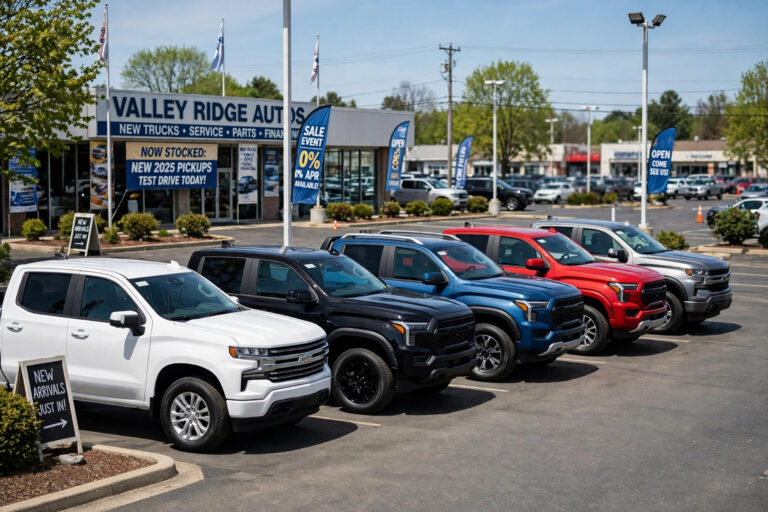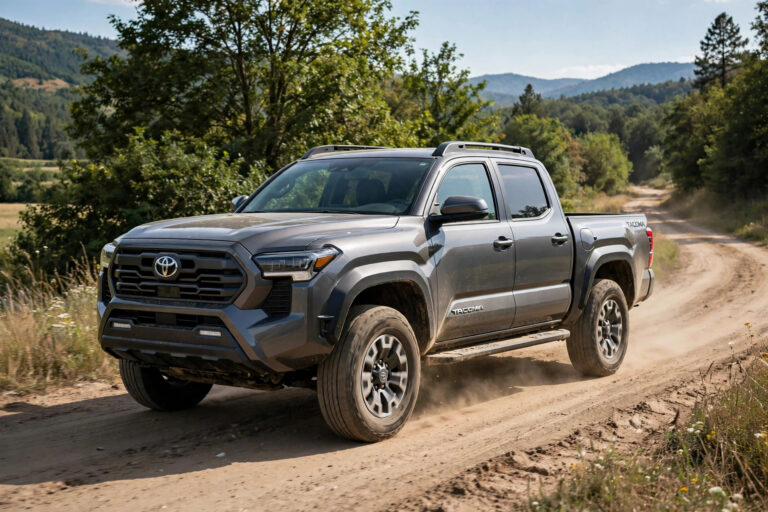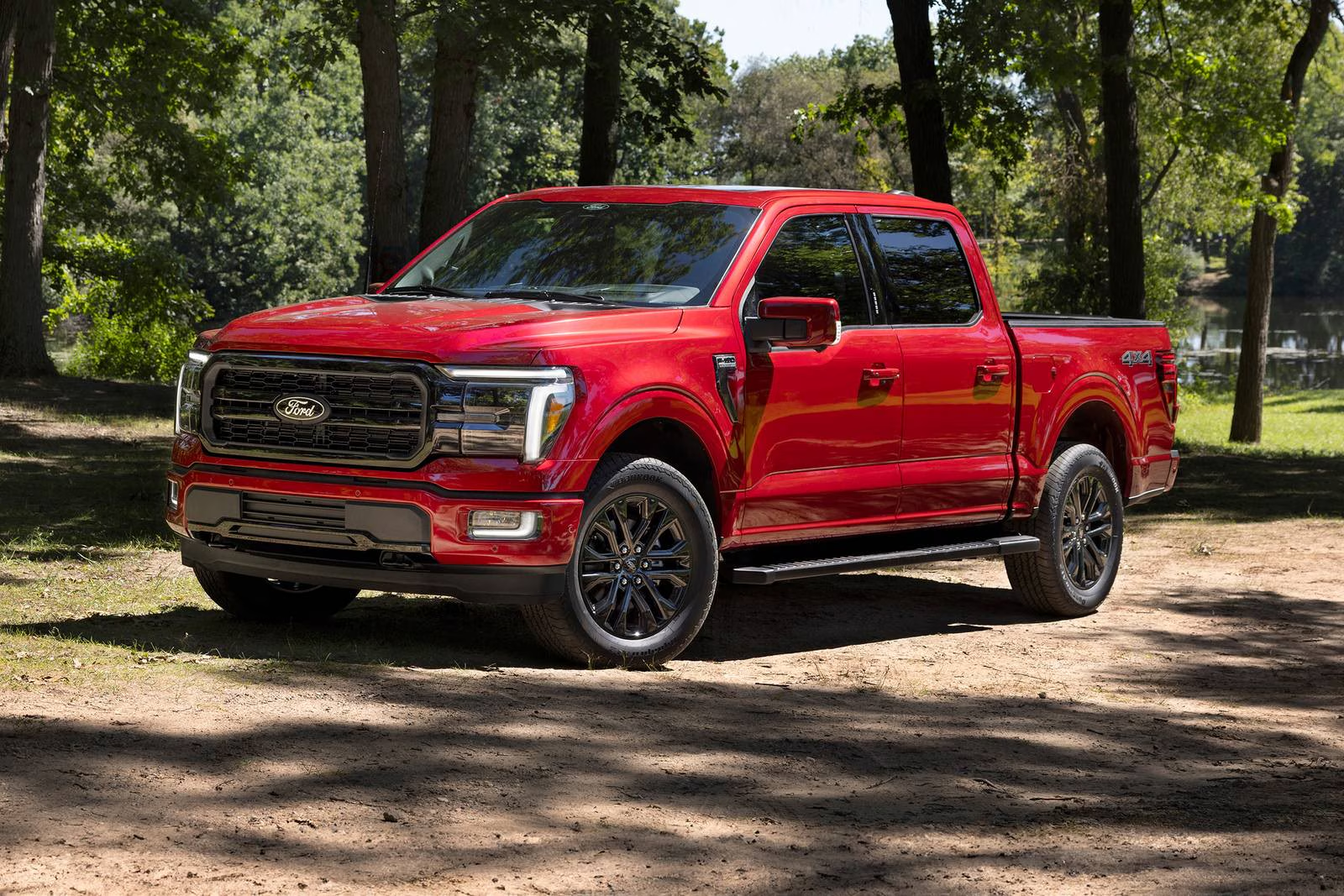
Families rarely buy a truck for one reason. The same vehicle has to tow the camper in July, haul plywood in October, carry three kids and a dog every day, and commute like an ordinary car the other forty-odd weeks. That pile of jobs is exactly why truck shopping goes sideways so often: buyers fall for the biggest capability number on the window sticker and end up paying — in purchase price, fuel, and daily hassle — for capacity they will use twice a decade. Family vehicle decision-making works better in the opposite order. Start with the life, define the jobs honestly, and let the truck that fits those jobs emerge. This guide walks that sequence, using the full-size pickup market as the example, though the method works for any vehicle that has to serve two masters.
Family vehicle decision-making starts with the job list, not the wish list
Take twenty minutes and list what the truck must actually do, with frequencies attached. “Tows a 6,000-pound travel trailer six weekends a year” is a requirement; “might someday buy a boat” is a daydream, and paying for daydreams is expensive because towing capacity is never free — it arrives packaged with stiffer suspension, thirstier gearing, and higher trims. Note the daily realities too: how many child seats, how long the school run is, whether the garage is a standard suburban bay that a crew cab with a long bed will simply not fit. Payload deserves a line of its own, because families overload it without noticing: passengers, cargo, and the trailer’s tongue weight all count against the same number, and a truck can be well under its tow rating while over its payload. If your honest list tops out at midsize loads, that is not settling — it is sizing correctly, the same way our F-150 and Ram deals guide approaches trim selection from the job backward.
Cab and bed: the two decisions you live with daily
Of everything on the order sheet, cab size and bed length shape daily life most. A crew cab with full-size rear doors and a real back seat is the family default for a reason: car seats fit, teenagers fit, and nobody negotiates for the front. Extended cabs save money and length but tax every school drop-off. Bed length is the mirror-image trade: the longer bed hauls sheet goods flat and swallows camping gear, while the short bed keeps the truck parkable and garage-friendly, with bed extenders and a utility trailer covering the twice-a-year overflow for most households. Think in terms of your worst weekly scenario, not your worst annual one; annual extremes can be rented. The Chevy Silverado overview on this site walks one model’s cab and bed matrix in detail, and the same grid logic applies across brands.
Safety is a family feature, not an option package
Trucks ride high and feel armored, but mass is not the same as crash performance, and pickup safety ratings historically trail those of family crossovers — especially for rear-seat occupants and in the newer, tougher crash tests. The Insurance Institute for Highway Safety’s large pickup ratings let you compare the exact models on your list test by test, including headlight performance and the crash-avoidance systems that prevent the accident from happening at all. Check three things beyond the stars: whether automatic emergency braking with pedestrian detection is standard or locked in a package, how the back seat scores, and whether child-seat anchors are genuinely usable — some truck rear seats make LATCH installation a knuckle-scraping chore you will repeat for years. A family truck that scores poorly is not a bargain at any discount.
Running costs: the second purchase price
Fuel is the obvious line — compare the EPA figures for the exact engine you are considering at FuelEconomy.gov, and multiply honestly by your annual mileage, because the difference between engine choices compounds into thousands over a family ownership span. Then add the quieter costs: full-size truck tires cost more and wear faster, insurance on popular pickups runs high, and four-wheel drive adds maintenance along with capability. Against that, trucks hold resale value unusually well, and a correctly sized truck keeps its value better than an over-trimmed one bought on a stretch. On financing, the Consumer Financial Protection Bureau’s auto loan guidance makes the essential point: negotiate the vehicle price and the loan separately, and compare total cost of credit, not just the monthly payment a long term can make deceptively small.
The test drive that tells the truth
Bring the family, bring the car seats, and drive your actual routes: the school street, the highway merge, the grocery lot. Have the shortest regular driver set the seat and mirrors and judge visibility honestly — truck hoods are tall, and front blind zones are a real consideration around small children and driveway play. Park it in a normal space. Load the stroller. If a trailer figures in your real job list, ask about a tow test or at minimum a loaner policy; a truck that feels composed empty can feel entirely different with weight behind it. Write down annoyances the same day, because the ones you notice in hour one are the ones you will curse in year three. Then, before signing, run the same routine in the closest rival — the comparison is cheap now and expensive later. If your search widens to GM’s offerings, our GMC Sierra buying guide covers that negotiation ground in depth.
The right family truck is the one that disappears
A family truck chosen well stops being a topic. It fits the garage, swallows the weekly chaos, tows the six weekends without drama, and its costs land where the spreadsheet said they would. That outcome comes from the unglamorous order of operations in this guide: jobs first, configuration second, safety verified, costs totaled, and only then the showroom conversation about color and chrome. Capability you never use is not insurance — it is a subscription you pay monthly. Size the truck to the life you have, keep a rental in mind for the life you occasionally visit, and the decision makes itself.