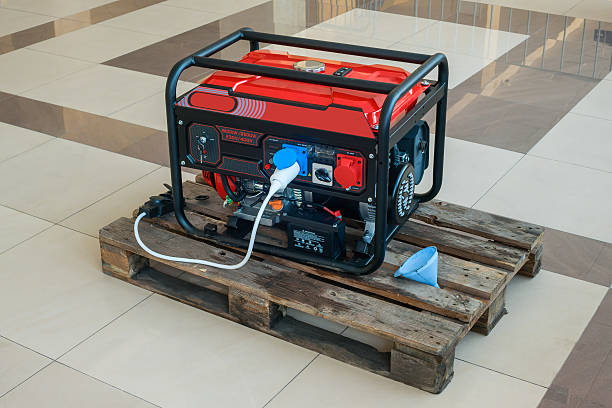
A home generator is one of those purchases people put off thinking about — right up until the night the power goes out and stays out. Storms, heat waves, ice, and overloaded grids can leave a house dark for hours or days, and everything in modern life, from the refrigerator to the Wi-Fi router, assumes the electricity is on. A generator is simply insurance against that assumption. Here is what it actually protects, the difference between the two main types, and the safety rules that come with owning one.
What a generator keeps running
When the grid goes down, a generator keeps the essentials working:
- Refrigerators and freezers, so food does not spoil
- Heating and cooling systems, so the house stays livable
- Medical devices that family members depend on
- Phone chargers and internet routers, so you stay connected and informed
- Lights and home security systems
That list matters more than it used to. Many people now work from home, kids do schoolwork online, and staying reachable during an outage is a safety issue, not a convenience. If keeping a phone line and a connection up matters in your household, our guides to phone deals for seniors and getting the most from your internet service are worth a look alongside the backup-power question.
The protection you don’t see
Generators do more than keep the lights on. An outage creates second-order risks that are easy to forget until they happen: food spoiling in a warm refrigerator, pipes freezing when the heat stops, alarms and cameras going dark exactly when the neighborhood is at its most vulnerable, and real medical danger for anyone who relies on powered equipment like oxygen or a CPAP machine. A generator is a safety net against all of that at once — it keeps the home stable while the street outside waits for the utility crews.
Portable or standby: the real difference
The two types serve different households. A portable generator costs less, rolls out of the garage when needed, and powers a handful of chosen items through extension cords. You start it yourself, fuel it yourself, and decide what makes the cut. A standby generator is permanently installed outside the house, connected to a fuel line and a transfer switch. It detects the outage and starts on its own within seconds, powering whole circuits — often most of the house — without you touching anything. Standby units are the better fit for medical needs, frequent outages, and anyone who travels; portable units suit occasional storms and tighter budgets.
Safety rules that are not optional
Generators are genuinely dangerous when used carelessly, and the main hazard is carbon monoxide — an invisible, odorless gas that can kill quickly. The American Red Cross is blunt about the core rule: never use a generator, grill, camp stove, or any gasoline, propane, natural gas, or charcoal-burning device inside a home, garage, basement, crawlspace, or any partially enclosed area. Keep the generator outdoors, away from doors, windows, and vents that could let exhaust drift back inside. Opening windows or running fans does not prevent carbon monoxide from building up.
A few more rules from the same guidance:
- Never plug a generator into a wall outlet to power house wiring — this “backfeeding” can electrocute utility workers and damage your home.
- Plug appliances directly into the generator, or use a heavy-duty, outdoor-rated extension cord rated at least equal to the load you are connecting.
- Store fuel only in an approved safety can, outside living areas, away from fuel-burning appliances — and check local rules on how much you may store.
- Do not overload the generator. Stagger when big appliances run so it does not overheat or fail.
Useful beyond emergencies
A portable generator earns its keep outside of disasters, too: running power tools on a job site or a part of the property with no outlets, supporting outdoor events, or taking along for camping setups. And your daily routine simply continues during an outage — cooking, working, charging devices — instead of being put on hold in the dark.
Before you buy: size it to your life
Start by listing what you genuinely need to run during an outage — most people land on the refrigerator, the furnace or air conditioner, a few lights, the router, phone chargers, and any medical equipment — and let that list drive the size, rather than paying to power the whole house out of habit. A standby unit needs professional installation, since it ties into your electrical panel and fuel supply, so get quotes from licensed installers well before storm season, when they are booked solid and prices firm up. A portable unit needs a plan instead: where it will sit outside, which cords reach what, and who in the house knows how to start it.
It can help your home’s value, too
A permanently installed standby generator reads as a premium feature to buyers, especially in regions where outages are routine. It can raise a home’s appeal, help it stand out in a competitive market, and reassure buyers who work remotely or have medical equipment in the house. That does not make it a guaranteed return on investment, but unlike many upgrades, it is one you benefit from every single time the grid fails while you still live there.
The bottom line
The biggest reason people buy a generator is the simplest one: peace of mind. Federal preparedness guidance at Ready.gov treats power outages as a when, not an if, for much of the country — and a generator is the one purchase that turns a multi-day outage from an emergency into an inconvenience. If you have been putting it off, choose the type that matches your risks, learn the safety rules before the first storm, and then stop thinking about it. That is rather the point.