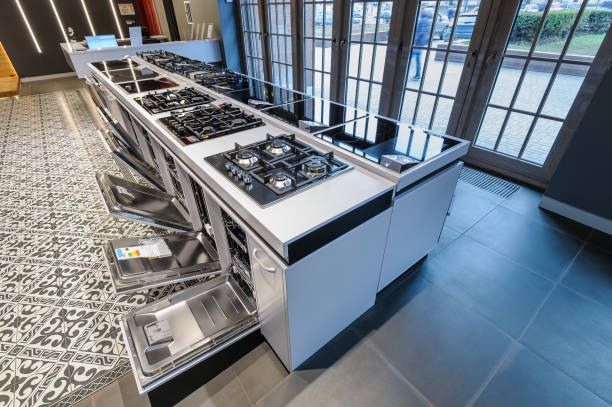
A premium gas range is an easy thing to admire in a showroom and a surprisingly hard thing to evaluate. The steel is thick, the knobs feel machined, the price tag says serious — but none of that tells you whether the lowest burner can hold a bare simmer without scorching a sauce, or whether the oven will still be baking evenly in year nine. Upscale gas ranges genuinely do cook differently from basic models, and the differences live in specific, checkable places: the spread between the strongest and gentlest burners, the weight and sealing of the cooktop, how the oven manages heat, and whether your kitchen’s ventilation and gas supply can support the thing at all. This is a walk through those places, in the order a skeptical buyer should visit them.
Upscale gas ranges: BTUs are marketing until you cook on them
Every brochure leads with the biggest number: the power burner’s output, advertised in British thermal units and climbing higher every model year. Useful, up to a point — a strong burner brings a stockpot to a boil quickly and gives a wok or a cast-iron pan the violent heat a real sear requires. But experienced cooks will tell you the expensive talent is at the other end of the dial. A burner that can drop to a true, steady simmer and hold a delicate sauce or a pot of rice there without cycling on and off is harder to engineer than raw power, and it is the feature owners praise five years in. When you evaluate upscale gas ranges, read the burner specifications as a range, not a headline: the gap between the hottest and the gentlest burner tells you more about the cooking you will actually do than either number alone. In the showroom, ask to see the flame at its lowest setting and watch whether it stays lit, even, and blue all the way around the burner.
Dual fuel: the one upgrade with a real argument
Many premium models pair a gas cooktop with an electric oven, and unlike most feature lists, this one has honest logic behind it. Gas burners give instant, visible, infinitely adjustable heat on top — the thing cooks refuse to give up. Electric ovens, meanwhile, hold a set temperature with less fluctuation and produce drier heat that many bakers prefer for pastry and roasting consistency. Dual fuel costs more, needs both a gas line and a heavy-duty electrical circuit, and is worth it mainly if you bake or roast often enough to notice oven behavior. If your cooking lives almost entirely on the stovetop, an all-gas model from the same tier will serve you just as well for less. Be similarly clear-eyed about the rest of the feature menu: convection fans genuinely improve multi-rack baking; continuous grates genuinely make sliding heavy pots easier; self-cleaning cycles, Wi-Fi alerts, and companion apps are conveniences, pleasant but not performance. Speaking of connected features, they quietly assume your home network reaches the kitchen reliably — our internet service analysis covers how to judge that before you pay for smart anything.
The measurements that decide whether it fits
Premium ranges come in widths matched to cabinet standards, from compact sizes up through the wide professional-style formats, and the right one is the one your kitchen already fits — or the one you have deliberately budgeted to build around. Two less glamorous checks matter more than width. First, the gas supply: high-output burners assume an adequate line, and an undersized supply starves every burner at once when they run together; a qualified installer verifies this before the range ever arrives. Second, ventilation. Every burner burning is producing heat, moisture, and combustion byproducts, and a hood that cannot keep up leaves all three in your kitchen. The NFPA’s cooking safety guidance exists because cooking is the leading cause of home fires, and the U.S. Fire Administration’s cooking fire prevention advice makes the practical companion point: clearances, working alarms, and never leaving high heat unattended matter as much as the appliance. Treat the hood as part of the purchase, sized to the range, and the range as part of a system rather than a sculpture.
What ownership actually looks like
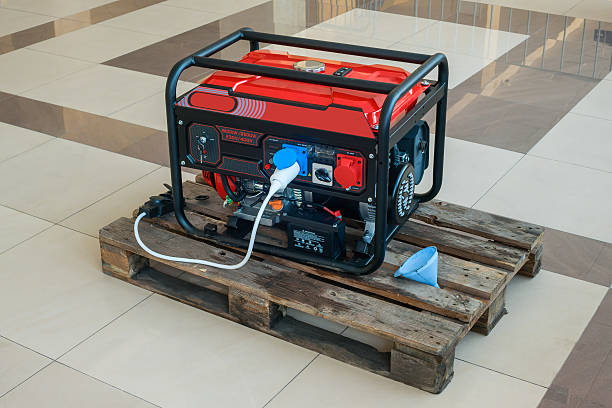
The daily reality of a premium range is mostly about surfaces. Sealed burners — standard at this tier — keep spills out of the cooktop’s innards and make the difference between a wipe-down and a project. Cast-iron grates are satisfyingly heavy and correspondingly annoying to wash in a small sink. Stainless steel shows every fingerprint for the first month and then, if you stop fighting it, settles into a working patina. The mechanical parts age well when cared for: igniters last longer when burners are kept clean and dry, and oven gaskets and thermostat calibration are the service items that eventually come due on any range, premium or not. Buyers in areas with unreliable power sometimes ask whether a gas cooktop doubles as outage insurance; it often can be lit with a match when the electronic ignition is down, though the oven usually cannot — one of the practical overlaps with the backup-power planning in our guide to getting a generator for your home. The through-line of ownership is that build quality shows up in year five, not week one, and it is the main thing the extra money buys.
So, is the premium worth paying?
For someone who cooks seriously most days, yes — but for the checkable reasons, not the showroom ones. A wide burner range, an oven that holds temperature honestly, sealed burners, solid grates, and parts the manufacturer will still sell in a decade: that is the substance of the category. The buyers who regret these purchases usually regret a mismatch, not a defect — a range wider than their cooking, a hood nobody budgeted for, smart features on a network that could not reach them. Match the appliance to the cook, the kitchen, and the ventilation first. Do that, and an upscale range stops being a luxury statement and becomes what it was supposed to be: the hardest-working tool in the house, bought once and used daily for a very long time.