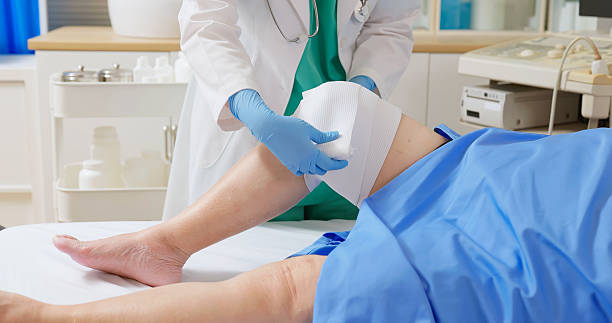
Nobody schedules knee replacement surgery because of a number on an X-ray. They schedule it because the stairs became a negotiation, because the grocery store trip started needing a recovery plan, or because the night pain stopped caring that tomorrow is a workday. If you have reached the point where the conservative options — exercise, weight management, medication, injections — no longer buy you a normal life, this operation stops being a scary abstraction and becomes a practical question: what would the next twelve months actually look like? Here is the honest version, week by week.
The decision point comes before the surgery date
Knee replacement, or arthroplasty, swaps the damaged surfaces of the joint for metal and medical-grade plastic components, as MedlinePlus explains in its overview. Most candidates have osteoarthritis that has worn the cartilage down to bone-on-bone contact — the National Institute of Arthritis and Musculoskeletal and Skin Diseases describes how that progression produces the pain, stiffness, and swelling people recognize. Surgeons generally want to see that gentler measures were genuinely tried first, which is why some patients spend a season with the options in our overview of new treatments for knee pain and topical routes like those covered in our piece on arthritis creams before anyone mentions an operating room. That sequencing is not stalling; a replaced knee is a decades-long commitment, and the decision deserves its evidence.
Surgery day and the first 72 hours
The operation itself usually takes one to two hours, and many patients now go home the same day or after a single night. The surprise for most people is how quickly they are on their feet: standing and taking steps with a walker typically begins the day of surgery or the next morning. This early movement is not a test of toughness; it is medicine. Walking promotes circulation, protects against clots, and tells the new joint its job description early. The first days at home run on a simple loop — short walks, prescribed exercises, ice, elevation, and pain medication timed to keep you moving rather than chasing pain after it spikes. Expect swelling and bruising that look worse than they feel.
Weeks one through six: rehab becomes the job
If surgery is the event, rehabilitation is the occupation. Physical therapy usually starts within days and continues for several weeks, focused on two measurable goals: straightening the knee fully and bending it progressively further. The American Academy of Orthopaedic Surgeons’ patient guide stresses that the exercises are not optional garnish — the range of motion you earn in the first six weeks largely sets the ceiling for what the joint will do afterward, because scar tissue hardens its position over time. Most people graduate from walker to cane within a few weeks, climb stairs one careful step at a time, and return to driving once they are off strong pain medication and can react quickly — often around four to six weeks for a right knee, sooner for a left. Progress comes in uneven jumps, with frustrating plateaus that are normal, not failure.
Months two through twelve: the long, good tail
By three months, most patients are walking comfortably, managing daily activities without thinking about them, and cleared for low-impact exercise like cycling, swimming, and golf. The knee keeps improving quietly for up to a year — swelling fades, strength rebuilds, and the strange clicking sensations many people notice early on usually soften. High-impact running and jumping sports stay off the menu permanently; the goal of the implant is a pain-free working joint, not an eighteen-year-old’s knee. Regular follow-up X-rays let your surgeon watch how the components are seating, and dental or medical procedures down the road may occasionally call for preventive antibiotics, which your surgical team will explain.
The warning signs that mean “call the surgeon today”
A normal recovery includes bruising, swelling, and soreness that slowly improves. A short list of symptoms plays by different rules and warrants a call the same day: fever, redness or warmth around the incision that is spreading rather than fading, drainage that persists or turns cloudy, calf pain or swelling in one leg, chest pain or sudden breathlessness, or pain that sharply worsens after having steadily improved. None of these is common, and infection or blood clots — the complications behind most of them — respond far better to early treatment than to hopeful waiting. Write the list on the refrigerator before surgery day. Decisions made calmly in advance beat decisions researched at 2 a.m.
Questions worth asking before knee replacement surgery
- Am I choosing between partial and total replacement? If damage is confined to one compartment, a partial replacement can mean a faster recovery — and a different long-term picture.
- What will my therapy schedule look like, and where? Arrange it before surgery; the first appointment should not be a surprise.
- What restrictions are permanent? Get the list in writing so your expectations match the implant’s design.
- What results do your patients like me typically report at one year? A surgeon who answers plainly is telling you something about the whole practice.
For some people, the answer to all this is “not yet” — and if your surgeon agrees there is room to wait, research options such as those in our explainer on arthritis clinical trials may be worth a conversation. But if the pain has already voted, knee replacement surgery remains one of the most reliably life-improving operations in modern medicine — provided you respect the rehab that makes it work.