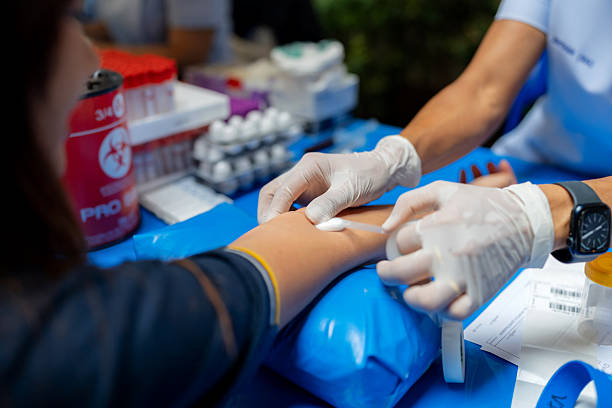
Dental implants have become one of the most effective long-term solutions for missing teeth, offering improved comfort, better chewing ability, enhanced appearance, and greater confidence. Unfortunately, dental implants can be very expensive, and traditional Medicare does not typically cover routine dental procedures, including implants. Because of this gap, many seniors search for affordable alternatives—and one lesser-known option is participating in dental implant clinical trials.
These trials allow researchers and dental schools to test new implant technology, materials, or treatment methods, while giving participants access to significantly reduced-cost or sometimes free procedures. This guide explains how Medicare relates to dental implant trials, what these studies involve, and how seniors can find and join them.
What Are Dental Implant Clinical Trials?
Dental implant trials are research studies conducted by:
- Dental schools
- Universities
- Private research centers
- Manufacturers of dental implant systems
- Hospitals or medical research organizations
These studies evaluate new implant designs, bone grafting techniques, surgical procedures, anesthetics, or long-term outcomes. Participants receive care from licensed dental professionals who follow strict research and safety guidelines.
Clinical trials often offer:
- Low-cost or discounted implant procedures
- Professional supervision from experienced surgeons
- Follow-up visits included
- Materials or implants provided by the study sponsor
For many seniors, this is an opportunity to receive care they otherwise could not afford.
Does Medicare Cover Dental Implant Trials?
While Medicare does not fully cover dental implants, certain parts of Medicare may still help with aspects of care related to a clinical trial:
1. Medicare Part B
Part B may cover:
- Medical exams related to trial participation
- Certain imaging or diagnostic tests
- Medications for medically necessary conditions
- Complication treatment if the procedure leads to a medical issue
Part B can also cover medically necessary dental procedures linked to health conditions, such as jaw reconstruction after injury or extractions required before major surgery—but this does not typically include standard implants.
2. Medicare and Clinical Trial Benefits
Medicare often helps cover:
- Doctor visits tied to approved medical research
- Monitoring and follow-up required by the study
- Treatment of side effects or complications
The implant itself is usually covered by the clinical trial sponsor, not Medicare.
Who Qualifies for Dental Implant Trials?
Each study has its own requirements, but participants commonly must:
- Be adults (many trials prefer ages 55+)
- Have one or more missing teeth
- Be in generally good health
- Not smoke heavily
- Have enough bone structure for implants or qualify for grafting
- Commit to follow-up visits over months or years
Trials may exclude people with uncontrolled diabetes, immune disorders, or certain heart conditions.
Benefits of Joining a Dental Implant Trial
Participating in a study offers several advantages:
- Reduced cost — implants in trials may be discounted or fully covered
- Access to advanced technology not yet on the market
- Care from specialists in dental research
- Comprehensive follow-up at no additional cost
- Contribution to medical and dental innovation
For many seniors, the financial savings are substantial compared to paying full price.
Risks to Consider
As with any clinical procedure, there are possible risks:
- Implant failure
- Need for additional surgeries
- Longer treatment timelines
- Strict follow-up requirements
- Possibility of receiving a new implant design still under evaluation
All clinical trials must explain these risks clearly before participation.
How to Find Medicare-Compatible Dental Implant Trials
Here are reliable ways to search:
1. ClinicalTrials.gov
The largest public database of research studies. Search terms like:
- “dental implants”
- “implant clinical trial”
- “prosthodontics study”
2. Dental Schools
Many dental colleges run implant studies or discount programs, including:
- University dental clinics
- Teaching hospitals
- Prosthodontic residency programs
3. Research Centers
Independent clinical research groups often recruit seniors for trials.
4. Local Dental Clinics
Some offices partner with manufacturers testing new implant systems.
What to Ask Before Enrolling
Before joining a trial, ask:
- What costs are covered?
- What follow-up appointments are required?
- Who performs the procedure?
- What happens if complications arise?
- Is the implant FDA-approved or experimental?
Understanding these details helps ensure a safe and positive experience.
A Valuable Opportunity for Seniors Seeking Affordable Care
While Medicare does not pay for traditional dental implants, clinical trials offer a realistic and often affordable alternative for seniors needing tooth replacement. By participating in research studies, patients gain access to high-quality care at reduced cost while contributing to advancements that benefit future generations.