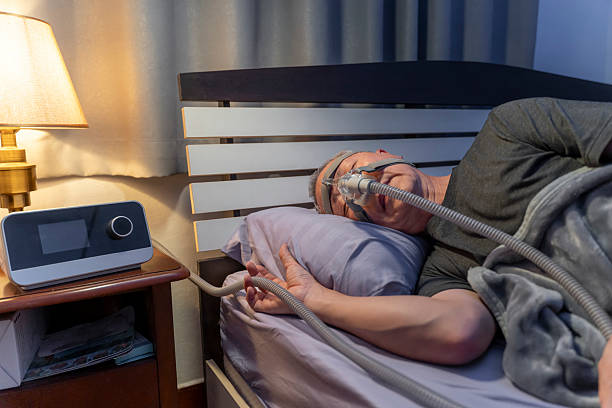
A CPAP machine looks like a simple purchase: one device, one mask, one price. Medicare treats it as something else — a therapy that only counts if it gets used — and the coverage rules are built around that suspicion. Instead of buying the machine outright, the program rents it, checks the data the machine records about its own use, and keeps paying only while the therapy is demonstrably happening. Beneficiaries who understand that logic rarely get surprised. Those who treat the box like ordinary retail sometimes end up paying for all of it.
Medicare-covered CPAP machines start with a diagnosis, not a shopping trip
Coverage under Part B is for obstructive sleep apnea, and the diagnosis has to be earned through testing: a sleep study, either overnight in a lab or at home with equipment a physician orders, that counts how often breathing pauses and how far oxygen dips. Those numbers decide eligibility and later help set the machine’s pressure. The National Heart, Lung, and Blood Institute explains what the studies capture and why untreated apnea strains the heart and blood pressure over time. It is also worth knowing that sleep apnea is an active research area in its own right — our reporting on sleep apnea clinical trials covers studies testing alternatives for people who cannot tolerate a mask at all. For Medicare’s purposes, though, CPAP remains the standard first-line therapy, and the sleep study is the ticket in.
The rental model: thirteen months of proving it
Here is the part most people learn too late. Medicare classifies CPAP as rental equipment: the program pays its share month by month — after the Part B deductible, the standard split applies, with the beneficiary owing coinsurance — and only after a rental stretch that runs a little over a year does the machine become the patient’s property. If a supplemental policy such as Medigap is in place, it may absorb some or all of that coinsurance; without one, the monthly 20 percent is real money across a year of payments. The rental design is not bureaucracy for its own sake. CPAP abandonment is common — masks annoy, air dries, partners complain — and renting lets Medicare stop paying for machines that end up in closets. The same rental-first logic governs much of the durable medical equipment world; our guide to Medicare-covered power chairs shows the pattern again, with its own timelines and evaluations.
The usage check hidden inside the first ninety days
Modern machines are tattletales: they log hours of use, nights used, mask leaks, and residual apnea events, and the supplier can read that data remotely. Early in the rental, Medicare expects evidence on two fronts — that the machine is being used regularly, most of the night on most nights, and that a follow-up conversation with the treating clinician confirms the therapy is helping. Meet that bar and the rental rolls on smoothly. Miss it, and coverage can stop, which usually means the machine goes back. The practical lesson hides in plain sight: the first weeks are when fit problems should be reported, not endured. A different mask style, a pressure adjustment, or a heated tube for dryness can rescue a therapy that will otherwise fail its review — suppliers handle these swaps constantly, and asking early is normal, not complaining.
Supplies are a subscription you did not know you had
The machine is the durable part; the interface is consumable. Cushions soften and leak, filters gray, headgear stretches, tubing ages — so Medicare covers replacement supplies on a set cadence, some items every few weeks, others a few times a year, ordered through the enrolled supplier. MedlinePlus makes the underlying point well: CPAP only works when it is worn consistently and comfortably, and worn-out supplies quietly sabotage both. Beneficiaries should treat reordering as part of the prescription, and should be mildly suspicious of any supplier pushing replacements faster than the schedule allows — the replacement calendar exists, and billing beyond it is a known abuse pattern in this industry.
Three ways people accidentally pay full price
Nearly every horror story in this corner of Medicare reduces to one of three mistakes. The first is buying from the wrong seller: a bargain machine from a retailer that is not enrolled as a Medicare supplier is simply not a covered purchase, and Medicare’s supplier directory exists precisely to check enrollment before money moves. The second is skipping the follow-up during the trial window, which can end coverage for a machine that is actually being used every night. The third is stopping quietly — a month of travel, a bad cold, a broken mask left unreported — until the rental is closed for non-use. Each is avoidable with one phone call made early rather than late.
None of this makes CPAP coverage stingy; by the standards of medical equipment, it is comparatively generous, covering the machine, the mask system, and the stream of supplies that keep it working. It is simply coverage with a memory and a meter. Treat the first ninety days as the audition they are, keep the supplier’s number handy, and the rental clock runs quietly in the background — until the month the machine becomes yours and the whole arrangement fades into the normal furniture of a better night’s sleep.