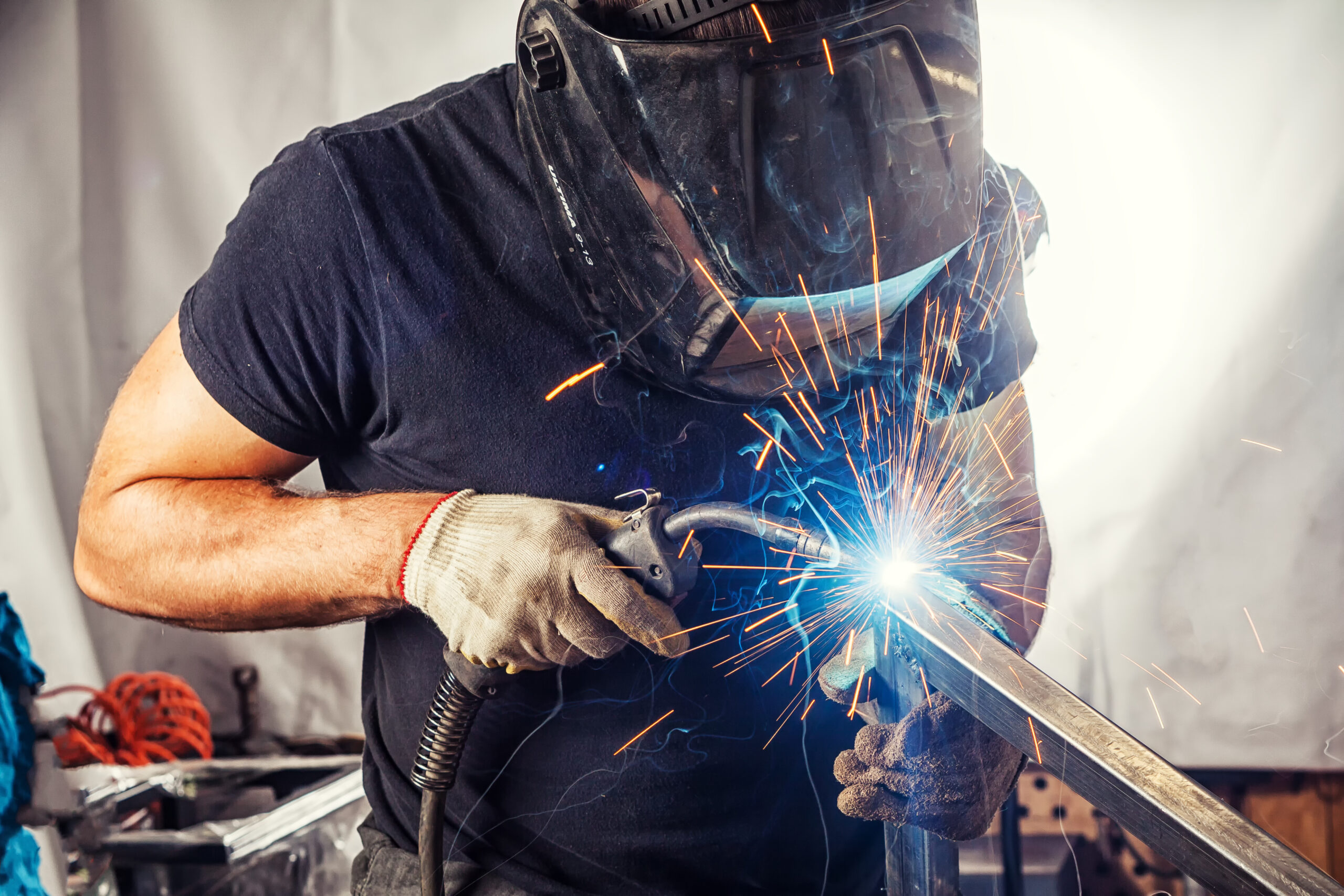
Ask four welders to describe their job and you may get four answers that barely overlap: one builds the same precision assemblies every week under a roof, one hangs steel in the wind six stories up, one crawls through a ship’s hull in a yard that smells of salt, and one chases pipeline work across three states, living where the line runs. Careers in welding are unified by a process — joining metal with heat — and divided by almost everything else: setting, schedule, travel, and pay structure. Choosing well means choosing your room first and your technique second, because the daily life differs more between rooms than between brands of welding machine.
Room one and two: the fabrication shop and the construction site
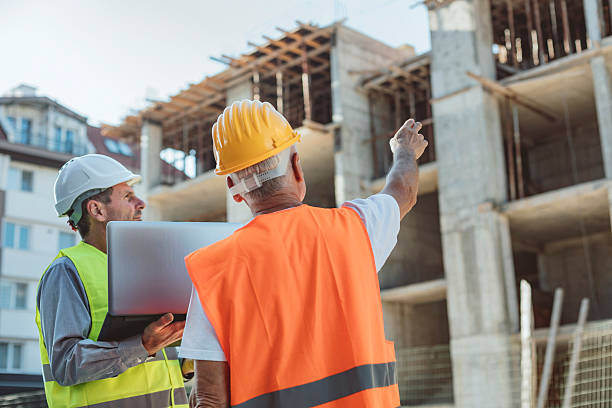
The fabrication shop is welding’s home base: indoor, repeatable, and quality-obsessed. Work arrives as drawings, leaves as finished assemblies, and inspectors measure beads against specifications — a good apprenticeship for someone who likes mastery through repetition. Construction welding is the shop’s restless sibling: structural steel, field repairs, weather, heights, and a job site that changes every few months. Both rooms hire constantly, and they feed the same training pipeline as the other building trades — readers comparing paths will recognize the shape from our guides to career opportunities in plumbing and career opportunities in asphalt paving, where an apprenticeship, a license or credential ladder, and foreman roles wait in the same order.
Room three and four: shipyards and the pipeline
Shipyard welding adds confinement and choreography: hull sections, tanks, and repairs performed in spaces where ventilation, fire watch, and crew coordination are part of the craft itself. Pipeline welding is the trade’s road life — long strings of pipe, welds X-rayed for flaws, work that follows energy infrastructure wherever it is built, with travel baked into the bargain and downtime between projects equally baked in. These two rooms tend to reward the most specialized skills and the most certifications, and they illustrate why welders talk about processes the way musicians talk about instruments: the process a job requires — stick, MIG, TIG, flux-core — decides which welders can even audition for it.
How careers in welding actually branch after training
The entry routes converge more than the rooms do. Most welders start with a high-school diploma or equivalent plus structured practice: a trade-school certificate program, a union or employer apprenticeship found through resources like Apprenticeship.gov’s career seeker portal, or a helper job that trades sweat for supervised arc time. What separates careers afterward is credentialing. The American Welding Society administers the certifications employers ask for by name — welder performance qualifications by process and position, and further up, credentials in inspection and supervision that move a welder from laying beads to judging them. Each test passed widens the set of rooms you can enter; a welder certified in multiple processes and positions becomes the person contractors call first, in slow months as in busy ones.
The safety half of the craft
Welding’s hazards are honest and well cataloged: arc radiation that burns eyes and skin, fumes whose contents depend on the metal and coating, electric shock, fire, and the confined-space risks of the shipyard rooms. The Occupational Safety and Health Administration’s guidance on welding, cutting, and brazing spells out the controls — ventilation, protective equipment, hot-work permits, fire watches — and serious employers treat fluency in that material as part of the skill, not a distraction from it. Beginners sometimes imagine safety culture slows the work; experienced welders know it is what makes a forty-year career in the trade physically possible. Ask any training program how it teaches this material, and you will learn a lot about the program.
How the pay is structured (and why comparisons mislead)
Newcomers often ask what “welders make,” and the honest answer is that the rooms pay in different currencies. Shop welders trade peak earnings for steadiness: a predictable hourly wage, the same roof every day, and overtime that arrives in busy seasons. Construction and pipeline welders often earn more per hour and collect per-diem payments on the road, but they also absorb unpaid gaps between projects, their own travel costs, and in many pipeline arrangements their own equipment and truck. Union scales, prevailing-wage projects, and shutdown work at industrial plants each add their own wrinkles. Comparing two offers therefore means comparing structures, not numbers: hours guaranteed versus hours possible, who supplies the machine and consumables, and how the year looks in the slow months — a calculation every bit as important as the weld test itself.
Picking your room
So decide by lifestyle before technique. Want a roof, a shift, and a commute you can set a watch by? Aim at fabrication, and stack inspection credentials. Want variety and do not mind weather? Construction. Want the road and the premium that follows scarce, tested skill? Pipeline, with patience for its feast-and-famine rhythm. And if you genuinely cannot decide yet, that is useful information too: start where the training is broadest, collect the foundational certifications, work a season, and let experience cast the deciding vote. The trades reward people who choose deliberately — the same is true across the aisle, as our guide to starting a career in electrical work shows — and welding, with its four very different rooms, rewards the choosing most of all.