Job boards organize home repair careers by title — handyman, plumber, electrician, carpenter — but houses do not care about titles. A house is a stack of systems, and every system fails in its own way, on its own schedule, with its own rules about who is allowed to fix it. If you are choosing where to enter this industry, follow the systems instead: water, wires, wood, and air. Each one offers a different mix of urgency, training, licensing, and independence, and the right first system matters more than the right job title.
Water: the system that cannot wait
Plumbing owns the emergencies. A burst pipe or a dead water heater does not schedule an appointment for next month, and that urgency shapes the work: diagnostic speed, stocked vans, and homeowners who remember exactly who saved their kitchen floor. It is also the most varied water work imaginable across a year — supply lines, drains, fixtures, water heaters, sewer laterals. Entry usually runs through an apprenticeship under a licensed plumber, and in many places the trade itself is licensed, which limits competition from the unlicensed and rewards those who complete the ladder. Our deeper look at career opportunities in plumbing follows that path rung by rung.
Wires: the system with the strictest gatekeeper
Electrical work is the system’s perfectionist. The work is invisible when done right and dangerous when done wrong, so licensing is strictest here, training is the most formal, and the boundary between “a handy person may do this” and “a licensed electrician must do this” is drawn in law rather than custom. Panel upgrades, rewiring older homes, and the steady arrival of EV chargers and heat pumps keep this system growing. The payoff for clearing the gate is a trade where the credential itself does the marketing — as our guide to starting a career in electrical work details, the apprenticeship years are long precisely because the responsibility is.
Wood and structure: the system you can see
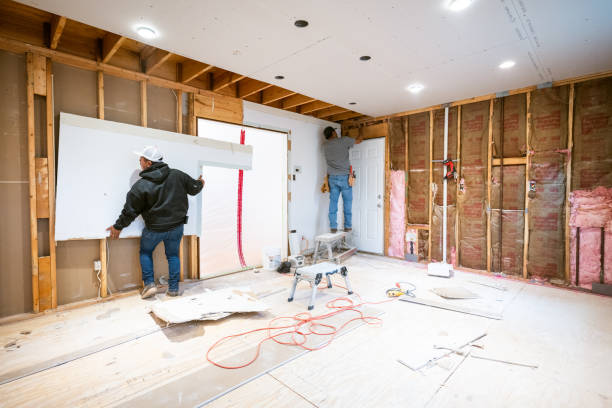
Carpentry and general repair are the visible systems — framing, drywall, doors, decks, trim — and the most common doorway into the industry, because a skilled handyperson can legitimately handle a wide band of this work while building experience. This is where variety lives: no two houses present the same list, and the diagnostic skill is learning to see what a wall is hiding before you open it. It is also the natural first rung for people headed toward their own business, since the tool investment is gradual and the jobs are short enough to build a reputation quickly. Much of this system shades into renovation, where repair careers meet the project world of career opportunities in asphalt paving and other site trades — different material, same grammar of estimates, crews, and weather.
Generalist or specialist: the honest middle rung
Between the homeowner’s first call and the licensed trades stands the handyperson — and the role deserves more respect than the industry sometimes gives it. The legitimate generalist band is wide: minor carpentry, patching, fixtures, caulking, hardware, the hundred small failures a house produces each year. Working that band well is a diagnostic discipline of its own, because the generalist is the one who learns to spot when a “small job” is actually a symptom of a system problem — the stain that means a roof leak, the outlet that means an overloaded panel — and to hand it up the ladder instead of papering over it. Many specialists began exactly here, and many successful repair businesses still run a generalist front door with specialist depth behind it. The credential that matters on this rung is not a license but a record: insured, punctual, reviewed, and honest about the edge of your competence. Homeowners do not expect one person to do everything. They remember, vividly, the one who told them the truth about what a job needed.
Air and surfaces: the comfort systems
Heating, ventilation, and air conditioning form the system homeowners feel rather than see, and its work runs on a calendar: furnace checks before winter, cooling failures during the first heat wave. HVAC training blends mechanical and electrical skill, and the trade sits between the water and wire worlds in licensing and formality. Painting and finishing, the surface system, look simple from outside and are not: preparation, materials knowledge, and an eye for the last five percent of quality are what clients are actually buying. Together these systems round out the house — and they are where many repair businesses find their steadier, schedulable work between plumbing’s emergencies.
Home repair’s second career: the one hidden inside the first
What makes home repair unusual among trades is how directly skill converts into ownership. The employee years teach the systems; the reputation — reviews, referrals, the phone number saved in a client’s contacts — becomes the business. Safety habits travel with you into self-employment, which is why the Occupational Safety and Health Administration’s construction industry guidance is worth reading even by people who will never work a large site: ladders, power tools, and older homes’ hidden hazards follow the same physics at every scale. CareerOneStop outlines the preparation each occupation in this stack typically expects, and Apprenticeship.gov lists the registered programs that formalize the climb. Pick a system, learn it deeply enough that its emergencies bore you, and the industry will keep handing you houses. They are not making fewer of them, and every one of them is slowly, reliably falling apart — which is to say, hiring.