Standing water looks passive. It is not. From the moment floodwater enters a house, it starts a series of clocks — drywall wicking moisture upward, floorboards swelling, mold spores finding the damp surfaces they need — and flood restoration is, before anything else, an effort to beat those clocks. The difference between a home that dries out and goes back to normal and a home that needs its lower walls rebuilt is often decided in the first forty-eight hours, long before anyone talks about new flooring or paint. Understanding what is happening during those hours changes how you spend them.
Flood restoration starts with water categories, not mops
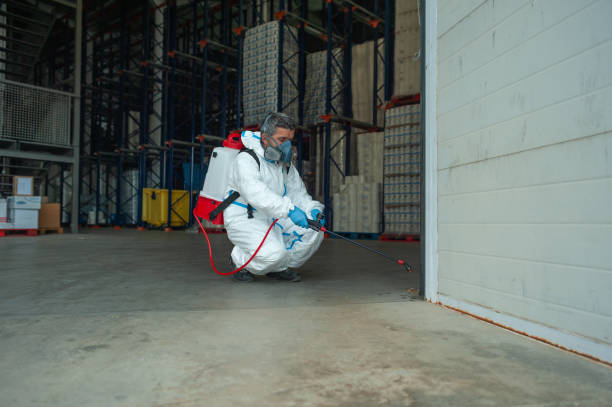
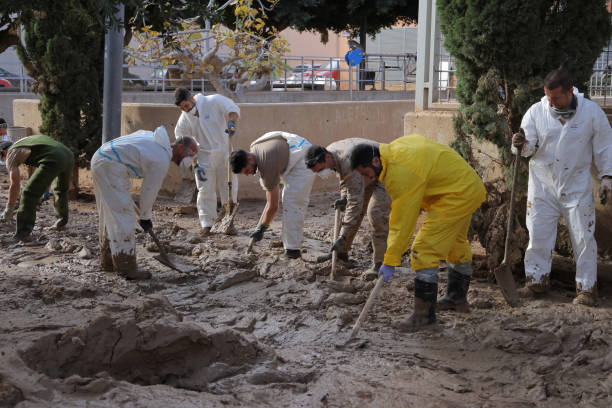
Professionals sort floodwater into categories by contamination, and the category decides how aggressive the response has to be. Clean water from a burst supply line is a drying problem. Water that has passed through the ground, a sump pit, or a storm drain carries whatever it picked up along the way. Sewage backups sit at the far end: anything porous they touch is generally treated as a total loss, because no amount of surface cleaning makes it reliably safe. The Environmental Protection Agency’s flooding guidance treats floodwater as presumptively contaminated, which is the right instinct for homeowners too. Before you wade in, shut off electricity to affected areas if you can do it from a dry spot, and treat every wet surface as dirtier than it looks. Ready.gov makes the same point from the safety side: floodwater hides electrical hazards, sharp debris, and chemicals, and it deserves respect even when it is only ankle deep.
The dry-out is a race you can watch
Once standing water is pumped or bailed out, the real contest begins: getting materials dry faster than mold can colonize them. Mold can establish itself on damp drywall, wood, and carpet backing within a day or two, which is why the EPA’s mold cleanup guidance is built around drying everything within twenty-four to forty-eight hours. In practice that means airflow and dehumidification, not just open windows — household fans help, but the goal is moving large volumes of air across wet surfaces while pulling moisture out of the room air itself. Baseboards come off so wall cavities can breathe. Wet insulation, which dries at a glacial pace and feeds mold while it does, usually has to go. This is the stage where professional drying equipment earns its cost: commercial dehumidifiers and air movers, placed based on moisture-meter readings rather than guesswork, are how a restoration crew verifies a wall is dry instead of hoping it is.
Photograph everything before you throw anything away
The least urgent-feeling task is the one with the longest tail. Whether you are filing an insurance claim, applying for assistance, or simply trying to remember what was in the storage room, documentation created before cleanup is worth far more than reconstruction afterward. Walk every affected room with your phone while the water is still there. Capture the waterline on walls, serial numbers on appliances, the contents of closets and cabinets, and the damage to anything expensive. Then keep a simple log: when the water came in, when it was removed, what you discarded, and what you spent on pumps, fans, and materials. Insurers and assistance programs vary widely in what they cover, and nobody can promise how a particular claim resolves — but every process runs on evidence, and the evidence is only available once. Restoration also intersects with ordinary renovation money more than people expect; homeowners facing repair bills sometimes discover that part of the work qualifies for help they would otherwise use on a planned remodel, and our overview of grants for bathroom remodels explains how those programs are structured.
Salvage, toss, or call it: the sorting rules
Cleanup day forces hundreds of small decisions, and three rules of thumb settle most of them. First, porous materials that soaked up contaminated water — carpet padding, upholstered furniture, mattresses, particleboard — are almost never worth saving, because they cannot be cleaned to the core. Second, solid wood, metal, glass, and hard plastics usually can be saved with thorough washing and disinfection. Third, when in doubt about anything that touches food, medicine, or a child’s mouth, throw it out; sealed cans can be washed and kept, but nothing in a jar, box, or torn package that floodwater reached should stay. Electrical items that sat in water deserve professional evaluation before they are plugged in again, and some should simply be retired. Sentimental objects bend these rules, understandably — photographs and documents can often be frozen to halt deterioration and dealt with later, when the house itself is no longer an emergency.
When a pump and a fan stop being enough
Plenty of small water events — a washing machine hose, a contained pipe leak caught early — are legitimately DIY-able with extraction, airflow, and patience. The line is crossed when water has entered wall cavities, spread across multiple rooms, involved sewage, or sat undiscovered long enough that mold is already visible. At that point the risks shift from cosmetic to structural and medical: hidden moisture rots framing slowly, and disturbing established mold without containment spreads spores through the house. A good restoration company will meter moisture in walls and floors, explain what must be removed and why, and sequence drying before repairs. However the work is done, the house should not be closed back up — new drywall over damp framing is how a flood quietly bills you twice. And once the emergency is behind you, the preparedness habits matter: sump pump tests, cleared drains, and for homes in flood-prone spots, the backup-power thinking in our guide to getting a generator for your home, since a pump that stops when the power does is only half a plan.