Weight loss clinical trials are where tomorrow’s obesity treatments are being sorted from tomorrow’s disappointments. Behind every medication, device, or program that eventually reaches a doctor’s office sits a line of studies that asked volunteers to test it first — under measurement strict enough that the results mean something. For people who have cycled through diets that worked until they didn’t, joining a study can be both a contribution and an opportunity: structured care, close monitoring, and access to approaches not yet on the market. It is also a commitment with rules. This guide explains what these trials actually test, who they look for, and what participation honestly involves.
Three lanes of weight loss clinical trials, one goal
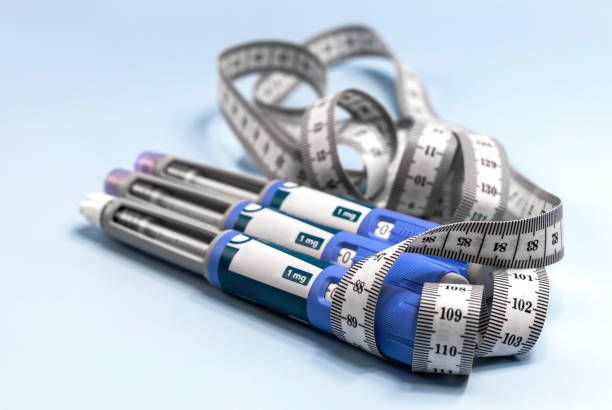
Weight loss studies cluster into three lanes. The first tests medications — currently dominated by drugs that act on appetite and metabolic hormones, studied for effectiveness, dosing, and long-term safety; the National Institute of Diabetes and Digestive and Kidney Diseases’ overview of prescription medications for overweight and obesity shows how the approved end of that pipeline is organized and what researchers watch for. The second lane tests devices and procedures, from balloons to stimulation systems; our look at gastric balloon studies follows one device family through the process. The third lane tests structured programs — intensive coaching, meal frameworks, digital tools — asking whether support itself changes outcomes. MedlinePlus’s obesity overview gives the underlying condition its due context: a chronic, relapsing disease influenced by biology far beyond willpower, which is precisely why researchers test interventions instead of issuing advice.
Who studies are looking for (and who they turn away)
Eligibility is a design tool, not a judgment. Protocols define a body-mass range, age band, and health profile so the result can be read clearly: a medication study may require obesity with a related condition like prediabetes, and exclude people whose other medicines or conditions would muddy the measurement or add risk. Screening typically involves labs, a medical history, and sometimes a run-in period of food logs or visits that tests whether a volunteer can keep the study’s rhythm. Being declined is common and often temporary — another protocol nearby may fit your profile better. Our broader guide to obesity clinical trials explains how eligibility patterns repeat across studies, which helps readers search with realistic expectations.
The placebo question, answered plainly
Many medication trials compare the drug against a placebo, with neither participant nor staff knowing who receives which. That design exists because weight responds to attention, structure, and expectation — without a comparison group, a study cannot separate the drug’s effect from the program around it. Volunteers in the placebo group still receive the study’s visits, monitoring, and lifestyle support, and protocols are reviewed for ethics before the first enrollment. What you will not receive is a promise: consent forms state plainly that the treatment may not help you and that the study’s purpose is knowledge. Anyone recruiting with guaranteed results is not running a trial you want to join.
What participation actually looks like
Expect a rhythm: screening visits, regular weigh-ins and labs, questionnaires, and check-ins across months — for maintenance-phase studies, well beyond the period when motivation is fresh. Study medication and study-related care are typically provided within the protocol, and many studies compensate time and travel; the consent documents spell out exactly what is covered, which is the only version of the answer that counts. After the trial, some studies offer extension phases or help transitioning to regular care. The commitment also has a shape worth picturing honestly: protocols commonly run many months, with the most visit-heavy stretch at the beginning and a long tail of monitoring after the active phase, because researchers are measuring not just whether weight comes off but whether it stays off and what happens to blood pressure, blood sugar, and other markers along the way. That long tail is where much of the science lives — short-term loss is well documented; durable loss is the open question — and it is also where volunteers drop out, which is why coordinators ask direct questions about your schedule, travel, and support at home before enrolling you. A study you finish helps everyone; one you abandon at month four helps no one, starting with you. Readers comparing trial routes with insurance routes will find our guide to Medicare-covered weight loss injections useful for the coverage side of the same medications once they are approved.
How to find a study and vet it
The public registry ClinicalTrials.gov, maintained by the U.S. National Library of Medicine, lists studies with their conditions, locations, eligibility criteria, and contact information. Search by condition and city, read the eligibility list before calling, and bring your medication list to the screening conversation. Vet any study the same way: it should appear in the registry, name its sponsor and site, provide informed-consent documents without pressure, and never ask you to pay for the experimental treatment. University medical centers and established research sites run the large majority of these protocols.
The bottom line
Weight loss clinical trials trade structure for certainty: volunteers give time, data, and patience, and in return receive close medical attention and a hand in building treatments that outlast the headlines. They are not a shortcut around the work of weight management — they are one rigorous way of doing that work while science learns from it. If you go in reading the consent form as carefully as the brochure, a trial can be a genuinely good deal for everyone at the table.