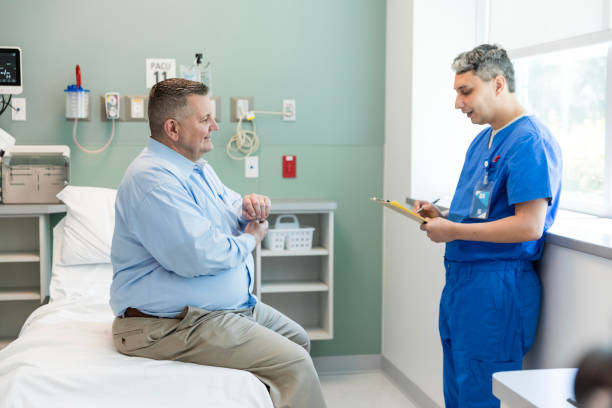
The first visit rarely matches what people picture. There is no hospital gown waiting for you and no mystery injection in the next room. Most obesity clinical trials begin in a plain exam room: a nurse wraps a cuff around your arm, a coordinator pages through your medical history, and somebody asks, in surprising detail, what you had for dinner last night. That screening appointment is where participation really starts, and it sets the tone for everything after — methodical, personal, and far less dramatic than the phrase “medical experiment” suggests. If you have been curious about obesity clinical trials but never known what volunteers actually do, here is the honest version.
Why weight research suddenly has a waiting list
For a long time, obesity studies were a quiet corner of medicine. Diet programs, a handful of older medications, and surgery research made up most of the field. That changed when GLP-1 medicines demonstrated that a weekly injection could produce weight loss once thought to require an operating room. Almost overnight, sponsors began racing to test what comes next: pills instead of injections, combinations that protect muscle while fat comes off, drugs aimed at hormones beyond GLP-1, and strategies for keeping weight off after the medication stops. Research centers that once struggled to fill a single study now keep waiting lists, which is why advertisements for weight studies have become so hard to miss.
The kinds of obesity clinical trials recruiting today
“Weight study” covers a lot of ground. The listing you respond to might be any of these:
- Medication trials testing a new drug, a new dose, or an approved drug used in a new way. These are the most common and usually the longest.
- Maintenance studies for people who have already lost weight and want to keep it off — an area researchers admit they neglected for years.
- Procedure and device studies, which might compare a device against medication or track outcomes after an intervention such as a gastric balloon.
- Behavioral and digital programs built around coaching, meal structure, activity tracking, or phone-based support, with no drug involved at all.
- Combination studies pairing medication with a structured lifestyle program to see whether the two together beat either one alone.
What gets measured goes well beyond the scale. Expect blood pressure, blood sugar, cholesterol, waist measurements, and questionnaires about hunger, sleep, energy, and quality of life. Many modern trials also track body composition, because losing muscle along with fat is a trade-off researchers now take seriously.
What the calendar actually looks like
Screening usually takes two to four weeks and can involve lab work, an electrocardiogram, and a review of your medications. Some studies add a “run-in” period — a few weeks of placebo or a basic program — to see who reliably shows up before the real intervention begins. After that, visits settle into a rhythm of every two to four weeks: weigh-in, vitals, blood draws on some visits, a conversation about side effects and how you are eating and sleeping. Many trials now mix in phone check-ins and app-based food or activity logs between visits. A short behavioral study might wrap up in three months. A medication trial can run a year or longer, and the longest maintenance studies stretch past two years. Coordinators will lay out the full schedule before you agree to anything, and you can walk away at any point — that right is written into the consent form you sign.
The money question, answered straight
Compensation varies so widely that any single figure would mislead you. Short observational studies might pay a few hundred dollars in total, while long medication trials can pay several thousand across all visits, usually loaded onto a payment card after each appointment. What is consistent across legitimate research: the study drug or program, and every test ordered for the study, come at no cost to you. Some sponsors also reimburse parking and mileage. Two warnings belong here. First, nobody reputable charges volunteers an enrollment fee — being asked to pay is a clear sign to walk away. Second, payment is for your time and travel, never a reward for finishing; if you withdraw halfway, you keep what you have already earned.
One more practical note: many people now in trials first heard about them while researching prescription options like the GLP-1 bridge program, because the same clinics often run both treatment programs and studies.
Who tends to qualify — and who gets screened out
Most medication trials set a body mass index floor, commonly a BMI of 30 or higher, or 27 and up if you have a weight-related condition such as high blood pressure, sleep apnea, or prediabetes. Sponsors also look for weight that has been fairly stable in recent months. Common reasons people are turned away include very recent bariatric surgery, certain thyroid or hormone conditions, medications that conflict with the study drug, and — in some protocols — diabetes treated with insulin. None of this is a judgment about you. Eligibility rules exist so the results can be read clearly, and a good coordinator will often suggest a different study that fits better when one door closes.
How to find a study near you
Start with ClinicalTrials.gov, the federal registry. Search “obesity,” filter for “recruiting,” and narrow by your city; each listing names the site, what is being tested, the basic requirements, and a contact number. Teaching hospitals and university medical centers also post their weight studies on their own research pages, and your primary care doctor may know which local centers recruit regularly. The process you will go through — screening, consent, scheduled visits, the right to withdraw — is the same across conditions, which is why reading up on how participation works in general, for instance in our overview of arthritis clinical trials, is a sensible first step before you ever make a call. When you do call, ask three things: how many in-person visits are required, what the total time commitment is, and exactly what compensation covers. A legitimate study team will answer all three without pressure.