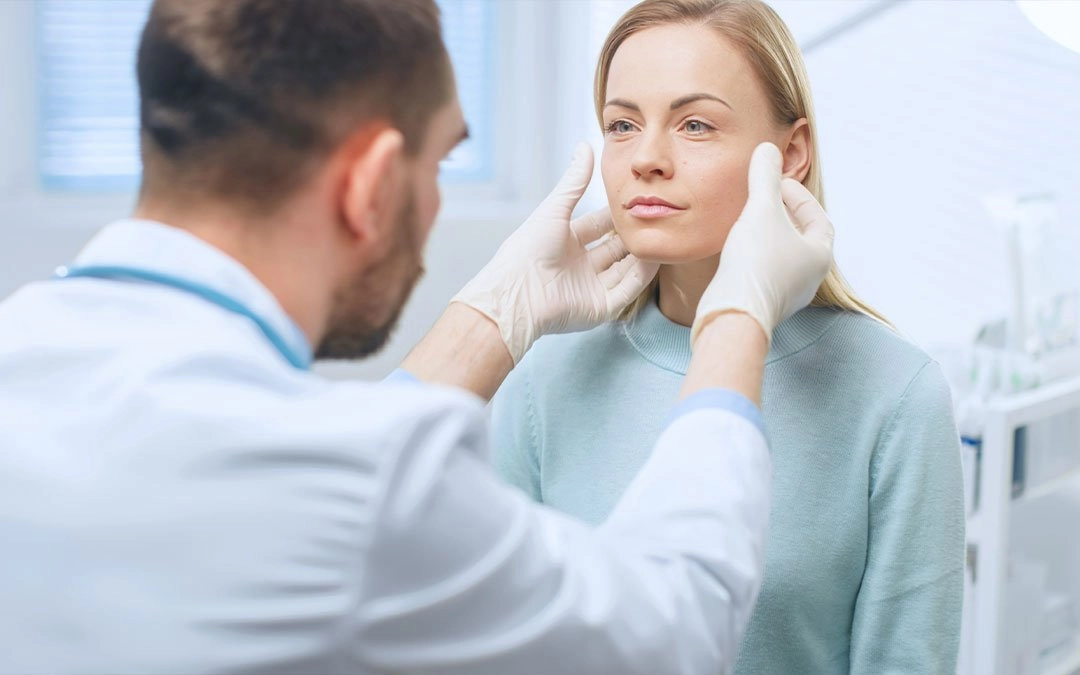
Start with the name, because the name is the one dishonest part. There is no facelift in a Juvederm syringe: no tissue is lifted, repositioned, or removed. Juvederm is a hyaluronic acid gel injected under the skin to restore volume and soften folds, and its effects are measured in months. Yet “Juvederm facelift” survives as a phrase because it promises surgery’s outcome at an injection’s price and downtime. Juvederm facelift clinical trials — the actual research on these fillers — tell a more modest and more interesting story. They are studies of duration, placement, and safety, run with surprising rigor for a cosmetic product, and reading them is the quickest cure for the marketing built on top of them.
What Juvederm facelift clinical trials actually test
A filler trial is not asking “does this make people look younger?” in the abstract. It asks narrower questions that can survive measurement: how long does the correction last before it fades? How does this formulation compare with the previous one at the same site? Does a new injection technique change the result? Endpoints are defined in advance and registered publicly on ClinicalTrials.gov, where anyone can read what a given study promised to measure before it enrolled its first volunteer. The American Society of Plastic Surgeons’ dermal fillers overview describes the treatment in the same unglamorous terms the trials use: temporary volume, specific products for specific areas, results that require maintenance. When a clinic’s description of filler sounds grander than the specialty society’s, the gap is advertising, not science.
How improvement gets scored without fooling anyone
The hard problem in aesthetic research is the mirror: everyone involved wants to see improvement. Well-built Juvederm facelift clinical trials defend against that wish in two ways. First, standardized photographs — same light, same angles, taken before treatment and at set months afterward — replace impressions with records. Second, those photographs are graded on validated wrinkle and volume scales, frequently by evaluators who do not know which product or technique the participant received. Participants rate their own satisfaction too, and the two scores do not always agree, which is itself useful information: a result an expert grades as improved but the patient cannot see is a finding, not a success. There is one more piece of protocol honesty worth noticing: the touch-up. Many filler studies build a single optional touch-up visit into the design at a fixed early point, defined before enrollment begins, after which the result is left alone to fade on schedule. That detail rarely survives into advertising, where touch-ups appear whenever a calendar has a gap. In the trials, the maintenance is part of the experiment — counted, timed, and the same for everyone — which is precisely why trial photographs can be compared month to month without wondering whose face received a quiet mid-study boost. This measurement discipline is the family resemblance across aesthetic research — it is the same standardized-photo logic that anchors the fat removal clinical trials and the CoolSculpting clinical trials we have covered elsewhere.
The safety record, including the warning that matters most
Most filler side effects are the boring kind: swelling, bruising, tenderness, lumps that settle. The trials count them carefully, and so should any honest consultation. But the U.S. Food and Drug Administration’s dermal fillers page carries a warning that deserves to be read in the agency’s own plain terms: the most serious complications occur when filler is unintentionally injected into a blood vessel, and reported harms from that event include tissue death, vision abnormalities including blindness, and stroke. That single paragraph explains most of what matters in choosing an injector — depth of anatomical knowledge, unhurried technique, and a setting prepared to respond to a complication — better than any portfolio of photographs. It also explains why trials screen out participants with certain histories and why study protocols photograph and follow volunteers long after the syringe is empty: the field’s credibility rests on counting its worst outcomes, not just its averages.
Who the studies enroll — and what that quietly tells you
Trial populations for fillers are typically adults in good general health with the specific fold or volume loss the product is approved to treat, photographed and followed on schedule. People with certain allergies to product ingredients, active skin infections near the treatment area, or histories that complicate assessment are excluded. Read those criteria as a consumer document: they sketch the patient the evidence actually describes. When filler is marketed for faces, ages, and uses far outside anything studied, the person in the chair becomes an unconsented experiment of one. Other device fields learned this lesson publicly — the structured enrollment in dental implant clinical trials exists for exactly the same reason, to keep the claims tethered to the population that was actually observed.
Reading the promise correctly
So retire the phrase and keep the product. What Juvederm facelift clinical trials support is a temporary, well-characterized treatment for lines and volume loss, with a duration you can plan around, a scoring system that tries hard not to flatter, and a rare-but-serious risk profile that makes injector skill a safety issue rather than a luxury. That is a respectable dossier — it just is not a facelift. A consultation that describes the treatment the way the trials do, in months and millimeters and honest probabilities, is giving you the researched version. A consultation that sells you a lift from a syringe is selling you the name, and the name is the only part of this treatment that was never tested.