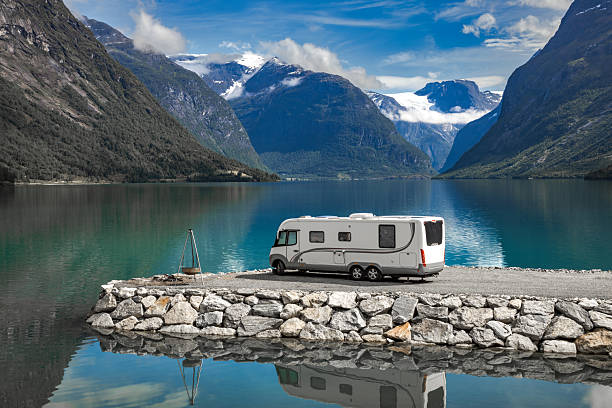
An RV is one of the biggest toys a family can buy, and the sticker prices know it. New motorhomes can cost as much as a house, and even a modest travel trailer is a serious check to write. The good news is that RV pricing is unusually flexible. Demand swings with the seasons, depreciation is steep, and sellers range from polished dealerships to a neighbor who used the camper twice and wants the driveway back. If you shop with a plan, a genuinely good deal is realistic — not a unicorn.
Start with the type of RV, not the price tag
Deals only make sense once you know what you are actually shopping for. The RV Industry Association sorts the market into two big families. Motorhomes drive themselves: Class A models are the large, bus-style rigs; Class B models are camper vans; Class C models sit in between, usually with a bunk over the cab. Towables hitch to a truck or SUV — travel trailers, fifth wheels that connect in a truck bed, and small pop-up campers.
The distinction matters for your budget twice. First, a towable is almost always cheaper to buy than a motorhome of similar size. Second, you need something that can pull it. If your family vehicle is due for replacement anyway, our look at the Hyundai Palisade’s features and towing ability shows what a modern three-row SUV can handle — but check any tow vehicle’s rating against the trailer’s loaded weight before falling in love with a floor plan. Go RVing, the industry’s consumer site, has plain-language explainers on each type if you want to compare layouts before visiting a lot.
Used is where the real money is saved
Like cars, RVs lose value fastest in their first few years — but the curve is steeper. A well-kept motorhome or trailer that is five to ten years old often sells for a fraction of its original price while still having years of trips left in it. Owners who bought during the pandemic travel boom are also cycling out, which keeps used inventory healthy in many regions.
Before you make an offer on any used RV, look up its book value. J.D. Power publishes RV values the same way it does for cars, and a two-minute check tells you whether a “deal” is actually priced above market. Then spend on an inspection. Water damage is the used-RV killer: soft spots in the floor, stains on ceiling panels, and a musty smell all matter more than shiny fixtures. A certified inspector costs a few hundred dollars and can save you from a five-figure mistake. Our companion guide to finding good deals on RVs walks through more of the used-market playbook.
Time your purchase to the slow season
RV demand peaks in spring and early summer, when everyone wants to be on the road by Memorial Day. It fades in the fall and winter, when lots are quiet and dealers are staring at inventory they would rather not carry into the new year. Shopping in the off-season will not turn a luxury coach into a bargain-bin special, but it reliably softens asking prices and makes sellers — dealers and private parties alike — more willing to negotiate.
The same logic applies on a smaller scale inside the month. Salespeople work on monthly and quarterly targets, so the last few days of a period are often when a manager will approve a number that was refused two weeks earlier. RV shows work too: manufacturers fund show discounts, dealers compete side by side, and even if you do not buy on the floor, you leave with written prices you can use as leverage back home.
Widen the map before you widen the budget
RV prices are regional. Areas with many dealerships and a long camping season tend to have more competition and softer prices; resort-heavy regions with captive demand tend not to. If you live somewhere expensive, search listings a few hours away — and for a motorhome, even a cheap one-way flight plus a drive home can be worth it. Just factor the trip into your math: fuel, a night or two of hotels, and the risk that the unit is not as described when you arrive. Ask for a live video walk-around before you travel.
Auctions and repossessions: cheap, with homework attached
Bank repossessions, government surplus sales, and dealer liquidation auctions can produce the lowest prices in the market, because the seller’s goal is speed, not profit. They can also produce the biggest headaches. Auction units are usually sold as-is, sometimes without a chance to test the plumbing, appliances, or slide-outs. Set a hard ceiling before you bid, leave room in the budget for repairs, and never let auction fever talk you past it.
Financing deserves the same clear head. Dealer financing is convenient but rarely the cheapest; get a quote from your own bank or credit union first. And if a lender pitches you an unconventional contract structure, make sure you understand who actually owns the vehicle while you pay — our explainer on how rent-to-own car contracts work covers the traps that show up in alternative financing generally.
Negotiate the whole deal, not just the sticker
On a dealer’s lot, the advertised price is only the first number. Prep fees, documentation fees, freight charges, and add-on packages for warranties or coatings all carry margin, and all of them can move. Ask for an out-the-door price in writing, question any line you do not recognize, and be willing to trade: a seller who will not budge on price may throw in a weight-distribution hitch, a starter kit, or the first year’s storage. The buyers who save the most are rarely the loudest — they are the ones who arrive knowing the book value, the competing prices, and their own walk-away number.
An RV bought well is years of cheap vacations and weekend escapes. An RV bought in a hurry is a payment book attached to a vehicle that sits in storage. Take the extra two weeks to shop the season, the map, and the used market — the savings are real, and the road will still be there.