There is a pricing trick baked into almost every SUV lineup: the things older drivers actually need — crash avoidance, a comfortable entry height, controls that make sense — get bundled with the things they do not, like oversized wheels and luxury badges, and the bundle is where the price balloons. A good deal on SUVs for seniors comes from unbundling. Figure out which safety and comfort technology matters, find the least expensive trim that includes it as standard equipment, and let the luxury versions sit on the lot. In this segment more than any other, disciplined shoppers routinely pay mainstream money for genuinely protective vehicles.
Start with the safety technology, not the SUV
The Insurance Institute for Highway Safety keeps a dedicated older drivers topic page because the data demands it: fragility rises with age, so the same crash that bruises a forty-year-old can hospitalize a seventy-year-old. That flips the usual shopping order. Before comparing models, decide on your non-negotiable systems: automatic emergency braking, blind-spot monitoring, rear cross-traffic alert, and headlights that earn a good rating in IIHS testing. Then check which SUVs include that package on their base or mid-level trims. Several mainstream models made these systems standard years ago, which matters enormously in the used market — a three-year-old mainstream SUV may carry better standard safety kit than a five-year-old luxury one whose original owner never ordered the options.
And test the technology like you will use it, because systems differ in temperament as much as in presence. In the parking lot and on a quiet street, feel how the lane-keeping nudges — some systems ping-pong the wheel in a way older drivers find so irritating that they switch it off permanently, which converts a safety feature into an expensive decoration. Check how warnings announce themselves: a clear chime and a large dashboard icon beat a vibration through the seat that a driver with reduced sensation may never notice. Set the mirrors with the blind-spot indicators in view, pair your phone, and raise and lower the liftgate. Twenty unhurried minutes of this tells you more about daily safety than any brochure star rating, because the best system is the one that stays switched on.
Where the badge tax hides
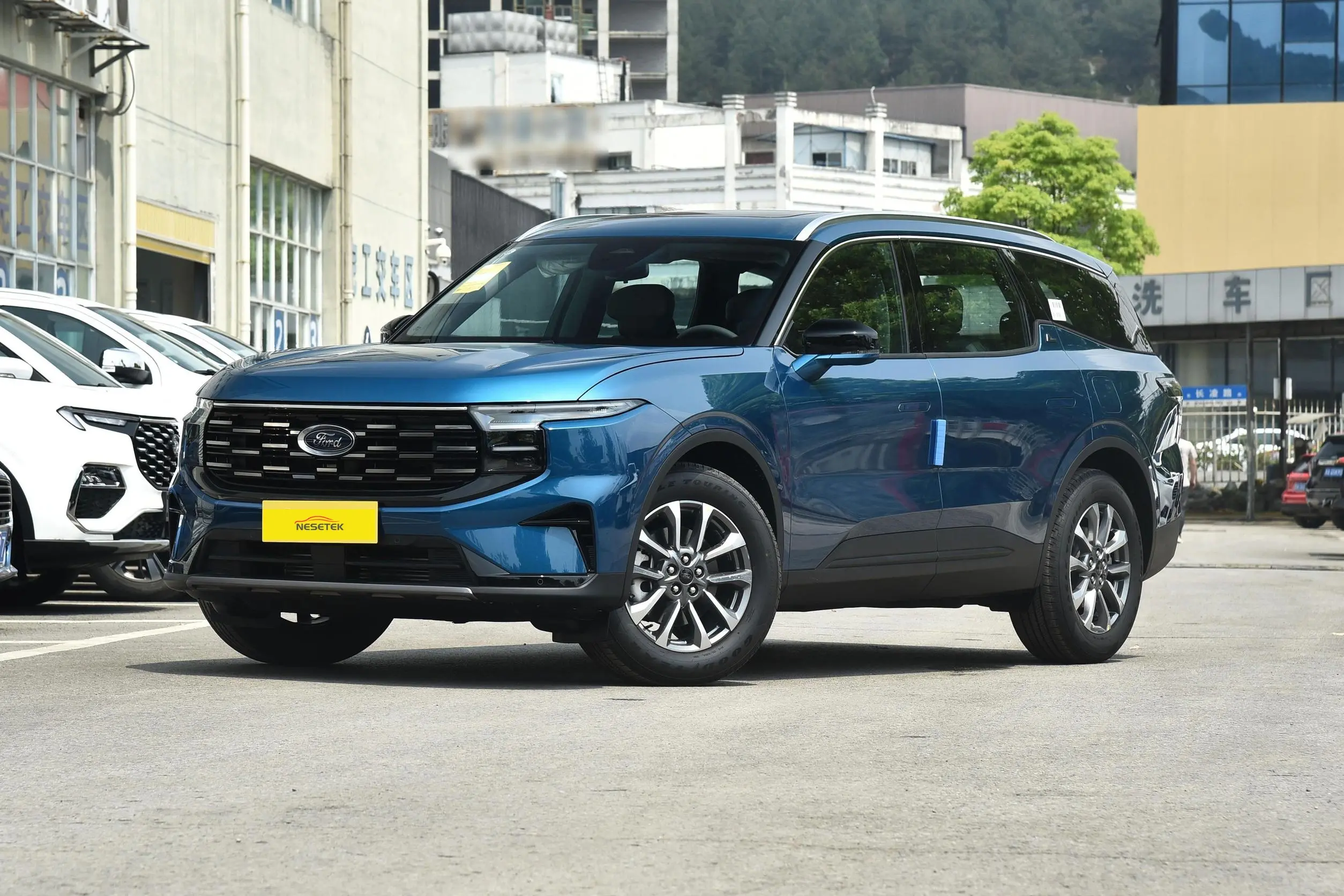
Luxury badges charge for quieter cabins and finer materials, and some of that is real. But the premium also buys more expensive tires, pricier insurance, costlier parts, and dealer service departments whose hourly rates assume a corporate expense account. Over a decade of ownership — a normal horizon for a senior buyer — those running costs can exceed the original price gap. Mainstream standouts like the Honda CR-V built their reputations precisely here: sensible entry height, calm controls, strong safety availability, and service costs that stay boring year after year. Boring, in this category, is a feature.
Comfort is measurable, so measure it
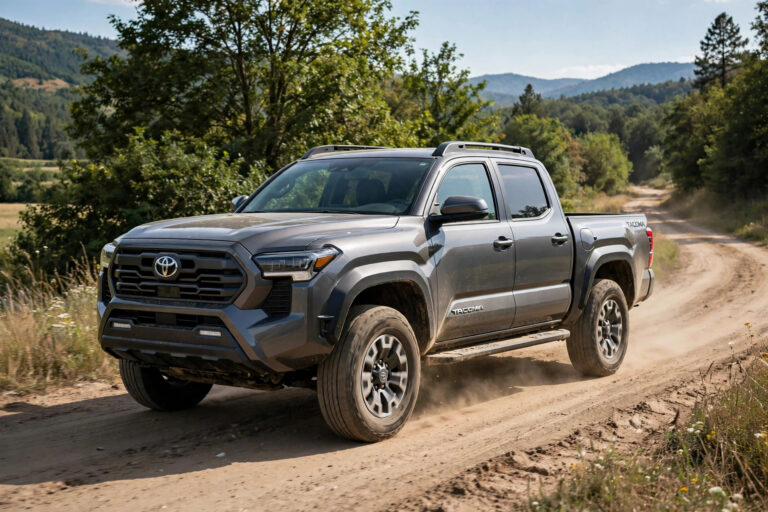
Comfort claims are marketing; seat height is a number. What you want is a hip point that lets you sit down rather than climb up or drop in, doors that open wide, and a cargo floor low enough that loading groceries or a mobility aid does not become a deadlift. Test with your real routine: bring the walker, the folding chair, the cooler — whatever your actual life loads into a vehicle — and load it in the dealer lot. Check the rear seat too, because senior drivers are often the family chauffeurs for grandchildren and friends. The Hyundai Santa Fe earns its place on shortlists for exactly these dimensional kindnesses at a mid-market price.
New discounts versus used value
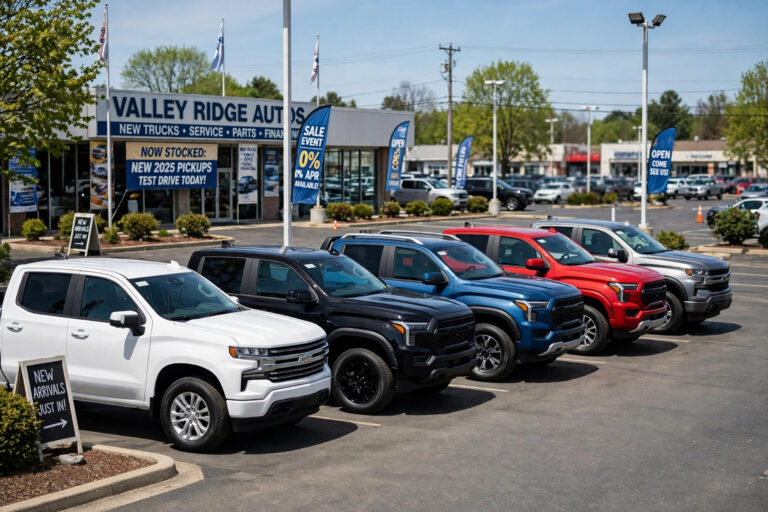
Mainstream SUVs are stocked deep and discounted honestly at model-year changeover, so a new one bought well is rarely a mistake. But the sweet spot for many senior buyers is the two- to four-year-old example with complete service records: modern safety tech, the steepest depreciation behind it, and warranty often remaining. Our guide to finding used cars for just a few thousand dollars covers the inspection discipline that protects any used purchase. Whichever route you choose, run the loan math before the dealership visit using the CFPB’s auto loan tools — total interest over the term is part of the deal, and shorter terms with slightly higher payments usually beat long terms marketed as affordable.
Running costs: fuel and the rest
Finally, price the decade, not the day. Compare your finalists’ EPA figures on FuelEconomy.gov, ask an insurer for real quotes on the exact models — premiums vary more between SUVs than most shoppers expect — and favor tire sizes that are common and cheap to replace. Add it up honestly and the rankings often reshuffle: the SUV with the higher sticker can be the cheaper vehicle to own, and the discounted one can be the expensive guest.
Warranty deserves the same decade thinking. A senior driver who covers modest annual mileage may age a vehicle out of its warranty by calendar before reaching the mileage cap, which changes the value of extended coverage offers pushed at signing — read the time limits, not just the mileage ones. Routine service at independent shops typically costs far less than at franchise dealers once the free-maintenance period ends, and choosing a model with a deep independent-service network is a quiet, permanent discount. Even the unglamorous items count: wiper blades, batteries, and brake jobs on mainstream SUVs are same-week errands anywhere in the country, while rarer models can mean waiting on parts. Over ten years, those small frictions are a real ownership cost, and they argue — again — for the common, well-supported vehicle over the exotic bargain.
The bottom line on SUVs for seniors
A good deal on SUVs for seniors is a safety-and-fit purchase with a price negotiation attached, not the other way around. Demand the crash-avoidance kit as standard equipment, measure the entry and the seat against your own body, let mainstream brands do what they do best, and count ten years of costs before signing. Do that, and the badge tax becomes somebody else’s problem.