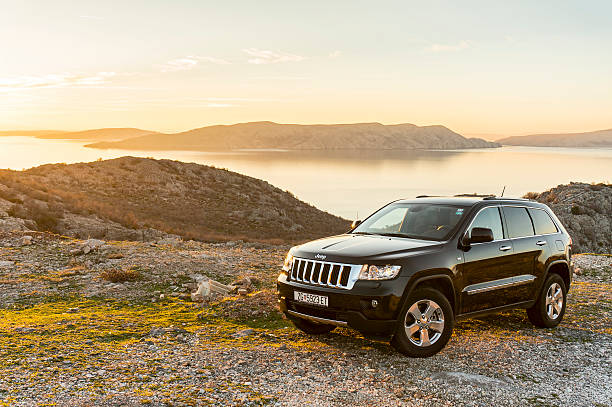
Ask ten Grand Cherokee owners what they paid and you will hear ten wildly different numbers — for what looks, from the sidewalk, like the same SUV. That spread is not mainly about negotiating talent. A good deal on Jeep Grand Cherokees is decided earlier, at the trim ladder: this model stretches from family-hauler basics to near-luxury pricing, and each rung adds thousands. Shoppers who pick their rung deliberately, then hunt discounts within it, almost always beat shoppers who fall for a specific vehicle on a specific lot and try to haggle their way out of a bad starting point.
Read the trim ladder before you read a single listing
Jeep’s own Grand Cherokee model page lays out the lineup, and the honest way to shop it is from the bottom up. The entry trims carry the same body, the same safety shell, and most of the hardware that makes a Grand Cherokee feel like a Grand Cherokee. Higher rungs layer in leather, larger screens, air suspension, and driver-assistance bundles. Some of that is worth money. Much of it is worth money only to the first owner, because used buyers rarely pay full freight for yesterday’s luxury options — which is why a two- or three-year-old upper trim often sells for what a new base trim costs. Decide which features you would actually use weekly, find the lowest rung that includes them, and let everything above that rung compete for your money only when it is used and depreciated.
New, certified, or plain used: three different bargains
New Grand Cherokees make sense when factory incentives are running — this is a model dealers stock deeply, and deep stock eventually turns into advertised discounts, especially on the slower-moving configurations. Certified pre-owned adds a manufacturer-backed warranty inspection layer and usually costs a premium over an identical non-certified used example; that premium buys peace of mind, not a different vehicle. Plain used is where the ladder math shines brightest, because the steepest depreciation has already happened on someone else’s watch. Whichever route you take, the homework is the same kind we recommend for any bargain vehicle in our guide to finding used cars for just a few thousand dollars: history report, independent inspection, and a cold start before any deposit.
Safety and fuel are part of the price, just paid later
A cheap Grand Cherokee that costs you in fuel and repairs is not cheap. Two checks keep the long-term math honest. First, safety: the Insurance Institute for Highway Safety publishes its crash-test and headlight evaluations on its Grand Cherokee ratings page, and ratings vary by model year and equipment — worth a look before you fall for a particular used example, because some safety features were optional on lower trims. Second, fuel: engine choice changes your monthly running cost more than most negotiated discounts change your payment, so compare the exact powertrain you are considering on FuelEconomy.gov, the federal source for EPA ratings, rather than trusting a window-sticker memory. A thirsty engine discounted by a thousand dollars can hand the savings back at the pump within a couple of years.
Timing and stock: the quiet discounts
Grand Cherokees pile up on lots in a way that niche SUVs do not, and inventory is leverage. The end of a model year, the arrival of a refreshed version, and the last days of a sales month all push dealers toward moving metal. Four-wheel-drive configurations sit longer in warm-climate regions and get discounted there, while the opposite happens up north. If your search radius is flexible, comparing the same trim across three or four dealers — including the ones an hour away — routinely produces a better number than negotiating hard at one. Shoppers cross-shopping trucks will recognize the pattern from our rundown of deals on Ford F-150 and Ram trucks: high-volume nameplates reward patience and paperwork.
Do not forget the family-SUV cross-shop
The strongest negotiating position is a genuine alternative. Three-row and two-row family SUVs compete directly with the Grand Cherokee for the same households, and some — the Hyundai Santa Fe among them — undercut it sharply while covering the same school-run and road-trip duties. You may still choose the Jeep for its towing manners or off-road hardware, and that is fine. Just make sure you are paying for capabilities you will use, not for a badge premium that a test drive of the competition would have talked you out of.
One more line item separates a good price from a good deal: the cost of keeping the thing. Insurance quotes on a Grand Cherokee vary meaningfully by trim and engine, and the theft and repair profile of popular SUVs has pushed premiums up in recent years, so get a real quote on the exact vehicle before you commit rather than budgeting from a neighbor’s number. If you are buying used, price an extended service contract only after the inspection, not at the finance desk where it is sold as an afterthought — and remember that a well-chosen trim with a clean history usually needs that contract less than the finance manager hopes. Ownership costs are where a thousand dollars of negotiated discount quietly evaporates, or quietly survives.
The bottom line on a good deal on Jeep Grand Cherokees
Pick the lowest trim that has what you need, let depreciation do your negotiating on a used example when you can, verify the safety and fuel numbers for the exact vehicle in front of you, and use dealer inventory — plus a real alternative — as leverage. The discount on this SUV rarely comes from one dramatic haggle. It comes from a ladder climbed carefully, one rung of homework at a time.