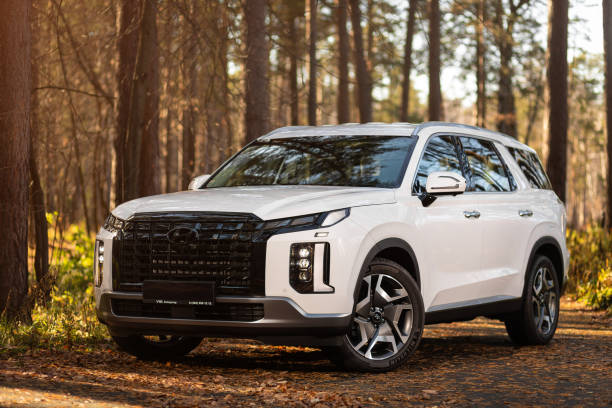
Some vehicles hide their value in one sweet configuration, and the Palisade is a textbook case. A good deal on a Hyundai Palisade is rarely the stripped base model and almost never the loaded flagship — it sits in the middle of the lineup, where the safety suite is complete, the family hardware is all there, and the price has not yet wandered into luxury-brand territory. Shoppers who understand what each trim step actually buys can stop paying for the steps that buy nothing but trim.
What each step up the ladder really buys
Hyundai’s official Palisade page lists the current lineup, and the productive way to read it is by function. The base trim covers the fundamentals — the V6, three rows, the core structure. The first step or two up is where the meaningful kit typically lands: the full driver-assistance suite, the power liftgate, heated seats, the larger screens. Beyond that, the money starts buying atmosphere — premium leather, fancier audio, extra cameras, cosmetic signatures. None of that is worthless, but it depreciates like decoration always does, and used buyers will not hand it back to you at resale. Our full Palisade features and deals review walks the interior space and family hardware in detail; the pricing lesson is that the mid-trim Palisade is the honest one, equipped like a family tool rather than a showroom trophy.
The one configuration choice you cannot undo
Second-row format — bench for eight seats or captain’s chairs for seven — is the decision that outlives every discount. The bench maximizes capacity and folds flatter for cargo; the chairs open a walk-through to the third row that changes daily life with kids in car seats. Families routinely agonize over paint color and never test this, so test it: load your actual crew at the dealership and watch how the third row gets reached. A Palisade bought wrong in this single detail is a Palisade traded early, and trading early is the most expensive outcome in car buying.
While the family is loaded in, run the cargo test that brochures stage with empty suitcases: third row up, load what your household actually carries — the stroller, the sports bags, the warehouse-store run. Then fold the third row and see the flat floor you will use for furniture and bicycles. And sit in the third row yourself for a full minute; if the household’s smallest adult cannot tolerate it on the lot, they will not tolerate it at hour two of a road trip, and the honest answer may be a different vehicle class entirely. These ten minutes of theater in a dealer lot routinely change which SUV a family buys, and occasionally talk them out of the third row they were about to finance for six years.
Safety: verify the year, not just the model
The Palisade’s safety story is strong, but it is year- and trim-specific, so verify rather than assume. The Insurance Institute for Highway Safety’s Palisade ratings page reports crash results and headlight grades for the current model; when cross-shopping used examples from earlier years, compare their ratings too, because assistance features migrated from options to standard equipment over the model’s life. A used mid-trim with the complete safety suite is a better family purchase than a used flagship missing a key system — and both exist in the listings, at prices that do not always reflect the difference.
New versus nearly new: where the curve bends
The Palisade holds value respectably, which cuts both ways. Nearly-new used examples sometimes list uncomfortably close to discounted new prices, at which point the new vehicle wins on warranty, financing rates, and known history. Reach a couple of years further back, though, and the math turns: someone else absorbed the steepest depreciation while the long factory warranty may still have coverage left.
That warranty point deserves underlining, because it is close to unique in this class. Hyundai’s factory coverage is longer than most rivals’, and on a used Palisade the remaining balance of it is a tangible asset — free insurance against the exact failures used-car buyers fear. Verify the in-service date and what remains through a dealer with the VIN in hand, and favor certified examples where the warranty story has been formally extended. Priced honestly, a two-year-older Palisade with verified warranty remaining often beats a newer one without it, and listings rarely present the comparison that cleanly. It is one more place where paperwork, not haggling, creates the deal.
Fuel belongs in the comparison as well — check the exact configuration on FuelEconomy.gov, because a three-row V6 SUV’s running costs over a family decade are a real line item, not a rounding error. If your passenger count tops out at five most days, also run the two-row comparison against the Hyundai Santa Fe and Honda CR-V: the best deal on a three-row SUV is sometimes not buying the third row.
Negotiating a segment that sells itself
Three-row family SUVs move quickly, so the Palisade rarely carries the fire-sale discounts of slow segments. The realistic levers are timing (model-year changeover, when the incoming version makes the outgoing one negotiable), inventory (high-volume trims in common colors are the stocked ones), and competing quotes from the model’s corporate cousins and rivals, which share showrooms in most auto malls. Get out-the-door numbers in writing from two dealers and let arithmetic do the arguing.
The bottom line on a Hyundai Palisade
Buy the middle, verify the safety year, choose the second row like you will live with it — because you will — and let the flagship trims be someone else’s depreciation story. That is the whole recipe for a good deal on a Hyundai Palisade, and it has the virtue of also producing the right vehicle.