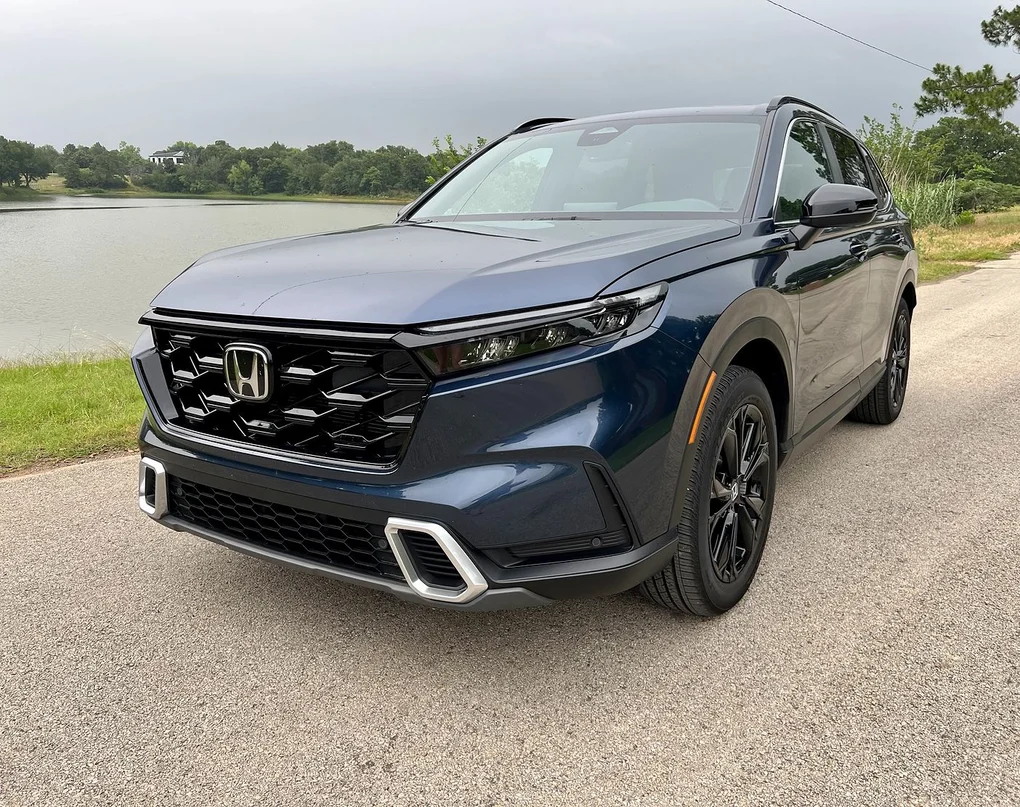
The Honda CR-V keeps winning the same argument year after year: it is not the flashiest compact SUV, the cheapest, or the most powerful — it is the one that gives up the least. Roomy seats, a big cargo area, sensible running costs, and a resale value that holds up are a boring combination, and boring is exactly what most families want from the vehicle they will live with for a decade. Here is what the current CR-V actually offers, where it is merely average, and how to shop for one without overpaying.
Space that works like a bigger SUV
The CR-V’s cabin is its strongest card. Both rows have genuine adult legroom, the rear doors open wide — a small detail that matters every single time you load a child seat — and the cargo floor is low and flat. Fold the rear seats and you get a space that swallows flat-pack furniture, camping gear, or a dog crate without drama. If you regularly carry five people plus their things, cross-shop it against three-row options like the Hyundai Palisade; if five seats are enough, the CR-V’s smaller footprint is easier to park and cheaper to run.
Powertrains: turbo gas or hybrid
Most CR-Vs use a turbocharged gasoline engine, and there is a hybrid version that pairs electric motors with a gas engine for noticeably better city economy. Honda publishes the official EPA figures for every trim, and FuelEconomy.gov lists them side by side — check the exact trim and drivetrain you are considering there rather than trusting a dealer’s window-sticker summary, because all-wheel drive and wheel size both move the numbers. Front-wheel drive is standard in most markets; all-wheel drive is the option to add if you deal with snow, steep driveways, or unpaved roads.
Safety: strong, with one honest caveat
Every CR-V comes with the Honda Sensing suite as standard: collision mitigation braking, road departure mitigation, adaptive cruise control, lane keeping assist, and traffic sign recognition. That is a genuinely complete package at no extra cost, and it is a big reason the model is a family default.
The independent picture is mostly strong. The Insurance Institute for Highway Safety named the 2025 CR-V a Top Safety Pick, with Good ratings in the small overlap front and updated side tests and Good headlights. Read the full IIHS page, though, and you will see the updated moderate overlap front test scored Poor, driven by rear-passenger measurements — the same weak spot appearing across many compact SUVs in that newer, tougher test. It does not erase the Top Safety Pick, but if rear-seat protection for older kids and adults is your top priority, it is worth weighing. Compare how the Hyundai Santa Fe and other rivals did in the same test before deciding.
Technology and everyday convenience
The dashboard tech covers the checklist most buyers actually use: a touchscreen with Apple CarPlay and Android Auto, a digital driver display, smart entry with push-button start, and dual-zone climate control. Higher trims add leather seating, a larger screen, wireless charging, and a hands-free power tailgate — nice, but be honest about which of those you will touch daily. The CR-V’s real convenience advantage is simpler: controls that make sense, good outward visibility, and a cabin that stays quiet at highway speed.
What it costs to live with
Hondas have a long record of durability, and the CR-V’s parts and service costs sit near the friendly end of the segment. That reputation is also why used CR-Vs hold their value — great if you are selling, less great if you are hunting for a bargain used one. A three-year-old CR-V often costs closer to new than rivals do, which is why the certified pre-owned route deserves a look: Honda’s CPO program adds inspection and warranty coverage that takes some risk out of buying used. The Nissan Murano takes a different approach to the same buyer — more style and comfort, less cargo flexibility — so drive both if you are torn.
Choosing a trim without overspending
The trim ladder is where CR-V prices quietly climb. The lower trims already include Honda Sensing, the touchscreen, and the same roomy cabin as the expensive ones, so the honest question is what the higher trims add that you will actually use: leather and a power tailgate, a bigger screen, or the hybrid powertrain on the sportier hybrid trims. Price the exact configuration you want at two or three dealers before visiting any of them, and be wary of add-on stickers for paint protection and nitrogen-filled tires — that is dealer margin dressed as equipment, and it is negotiable or removable.
How to get a better deal
- Get quotes from several dealers. Inventory and incentives vary more by dealership than by region. Email three or four and let them compete on the same trim.
- Watch the calendar. Model changeover periods, holiday weekends, and end-of-year clearance events are when Honda and its dealers discount hardest.
- Ask about every program. Loyalty, military, and college-graduate offers exist but are rarely volunteered.
- Price the hybrid honestly. The hybrid costs more up front; run your annual mileage through the EPA figures on FuelEconomy.gov to see how long the fuel savings take to pay the difference back.
- Negotiate the car, then the financing. Agree the out-the-door price first so a low monthly payment cannot hide an inflated total.
The CR-V remains a top choice because it rarely gives an owner a reason to regret it. Do the safety homework, pick the powertrain that matches your driving, and make dealers compete — that is the whole formula.