Two apartment buildings can sit on the same street, offer the same one-bedroom floor plan, and charge rents hundreds of dollars apart — and the difference is rarely the carpet. Affordable senior living apartments are cheaper because a public or nonprofit program is quietly paying part of the building’s costs, in exchange for a promise: the homes stay reserved for older adults with modest incomes, at rents those incomes can carry. Once you understand that bargain, the whole category makes more sense — including why the application asks about your finances in such detail, and why getting in can take patience.
How affordable senior living apartments keep the rent down
The money arrives through a few distinct doors, and which door a building used shapes who can live there. The oldest is HUD’s Section 202 program, described in the Department of Housing and Urban Development’s own Section 202 program overview: it funds housing for very low-income elderly households, pairing the buildings with rental assistance so residents’ payments stay tied to what they can afford. A second door is the Low-Income Housing Tax Credit, which gives developers tax incentives to build or renovate rent-restricted housing, including senior communities. A third is the voucher route: instead of subsidizing the building, a Housing Choice Voucher subsidizes the person, who can take it to a participating landlord. HUD’s rental assistance overview lays out how these streams differ — worth reading before you tour, because a building’s funding source decides its eligibility rules, not the manager’s preference.
Who actually qualifies (and why the paperwork feels personal)
Expect two gates. The first is age: senior communities restrict residency to older adults, with minimum ages commonly set at 55 or 62 depending on the property and its program. The second is income: rent-restricted buildings set maximum household incomes, usually expressed against the area’s median income, and verify them with documents — benefit letters, bank statements, tax records. It can feel intrusive, but the funding depends on proving the subsidy reached the households it was meant for. Households slightly over a limit are not almost-eligible; they are out, which is why experienced housing counselors advise applying to several properties with slightly different rules rather than betting everything on one favorite building.
The waiting list is the real admissions office
Here is the part brochures underplay: for well-located affordable buildings, demand routinely exceeds supply, and many properties work from waiting lists that open and close as units turn over. Getting on a list early — even before you are certain you want to move — is the single most useful move, because a list position cannot be bought later. Our step-by-step guide to finding affordable apartments for seniors walks through where these lists are published and what to ask when you call. While you wait, it also pays to price the ordinary market honestly; some readers discover that a modest market-rate unit compares better than expected once utilities and transport are counted, and our breakdown of affordable two-bedroom apartments shows the math renters use when a second room matters for family visits or a live-in aide.
What the buildings themselves tend to offer
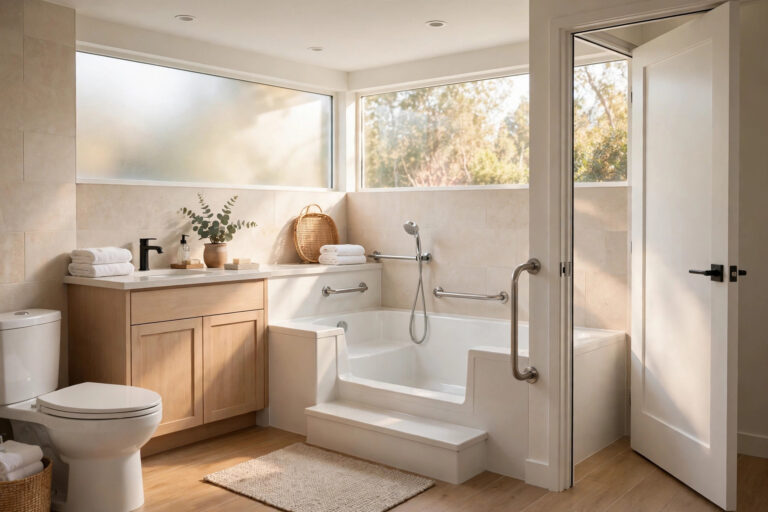
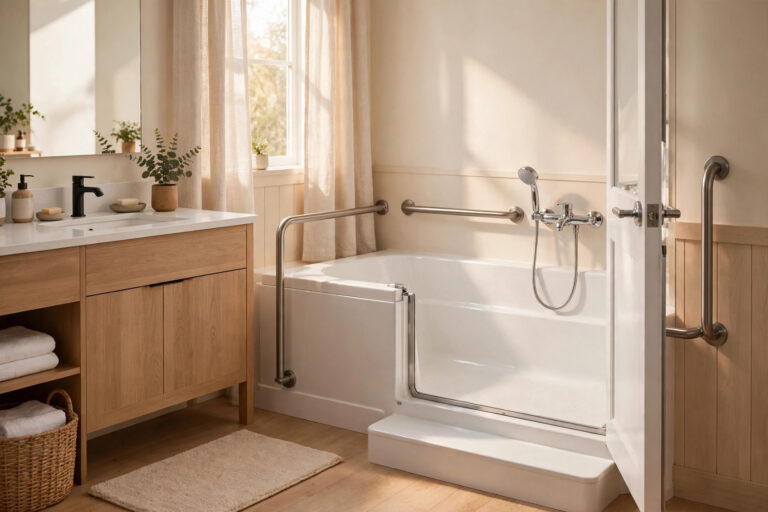
Subsidized does not mean stripped down. Senior properties are typically designed around aging in place: step-free entries, elevators, grab bars, lever handles, and emergency call systems are common, and many communities add shared rooms, organized activities, and on-site service coordinators who connect residents to local help. What they usually do not include is care — these are independent living homes, not assisted living, and the distinction matters when a family’s real question is supervision rather than rent. Readers weighing the stay-at-home end of that spectrum may also want our look at home cleaning services covered by Medicare, since a current home plus the right support sometimes competes with a move.
Touring like an inspector, not a guest
Visit at two different times of day. Walk the route from the parking area to a unit and count the stairs, doors, and distances honestly — with groceries in mind. Ask what a typical utility bill runs, how maintenance requests are handled at 2 a.m., whether the rent figure quoted includes everything, and how long the current waiting list is in real months. Ask, too, what happens if income changes mid-lease; subsidized properties recertify residents periodically, and knowing the rhythm removes the fear from it. Finally, run your situation through BenefitsCheckUp, the National Council on Aging’s free screening service: the same income that qualifies you for a rent-restricted apartment often qualifies you for help with food, utilities, and Medicare costs, and those savings belong in the same household budget conversation.
The bottom line
Affordable senior living apartments exist because housing programs trade funding for affordability, and everything about them — the income checks, the waiting lists, the recertifications — follows from that trade. Approach them as a portfolio rather than a lottery ticket: learn which funding stream a building uses, apply to several, get on lists early, and keep your documents ready. The rent gap between a subsidized senior apartment and the open market is real money every single month, which makes the paperwork one of the better-paid hours of homework a household can do.